Buy abcmovies.eu ?
We are moving the project
abcmovies.eu .
Are you interested in purchasing the domain
abcmovies.eu ?
domain@kv-gmbh.de · 0541-91531010
Buy abcmovies.eu ?
Where is custody regulated?
Custody is regulated at both the state and federal levels in the United States. Each state has its own laws and guidelines regarding child custody, which are typically based on the best interests of the child. Additionally, federal laws such as the Uniform Child Custody Jurisdiction and Enforcement Act (UCCJEA) help to ensure consistency and cooperation between states in custody matters. Overall, custody is a complex legal issue that is governed by a combination of state and federal laws. **
How are company holidays regulated?
Company holidays are regulated by the company's policies and procedures, which are typically outlined in the employee handbook or through communication from the human resources department. These policies may include information on the number of holidays provided, how they are determined (e.g. fixed holidays or floating holidays), and any eligibility criteria for employees to receive holiday pay. Additionally, company holidays may be regulated by federal or state labor laws, which may dictate minimum requirements for holiday pay and time off. Overall, company holidays are regulated through a combination of internal company policies and external legal regulations. **


Similar search terms for Regulated
Top-Angebote
Products related to Regulated:
-
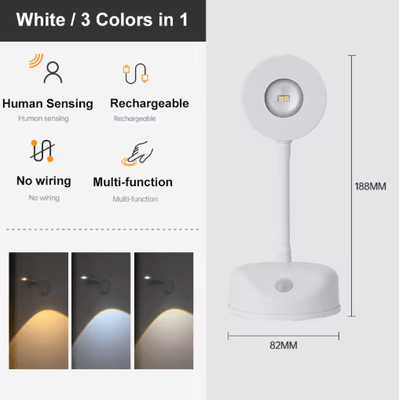
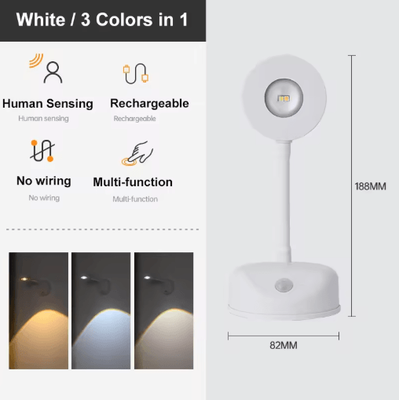
Inspire Picks USB Rechargeable Motion Sensor Wall Light Wireless Dimmable LED Spotlight For Pictures & Art white 1200mahHighlight your favorite spaces effortlessly with this smart motion sensor wall light. Designed for modern homes and art lovers, it automatically lights up when needed, adding both convenience and elegance. Its sleek, wireless design makes...55,65 $*Shipping: 0,00 $Secure redirect to the provider
-
The Dinosaur Book: Our World in Pictures (DK Our World in Pictures)Find out everything you need to know about dinosaurs, pterosaurs, marine reptiles, and prehistoric mammals with this picture-packed encyclopedia of curiosities. Come face-to-face with some of the most incredible creatures ever to exist in this incredible book of dinosaurs and other prehistoric life. With more than 1,000 extraordinary images and fascinating facts, kids aged 9-12 will love poring over the pages of Our World in Pictures: The Dinosaurs Book. This book brings to life all forms of prehistoric creatures through vivid illustrations and realistic digital reconstructions, showing their fearsome teeth, tails, legs and scales that enabled them to eat, move and defend themselves against predators. Celebrate your child's curiosity as they explore: - Striking and detailed diagrams, drawings, and illustrations on every page. - Covers all forms of prehistoric life, from the first primitive invertebrates to dazzling dinosaurs, and the earliest mammals. - Up-to-date, essential information about dinosaurs' evolution and extinction, and every aspect of dinosaur science. - Picture-heavy and text-light approach to introduce geological periods, evolution and extinction, and every aspect of dinosaur science. Young readers will love to find out about the latest scientific discoveries that have changed the way we see these fascinating prehistoric animals - from the discovery of feathered dinosaurs to analysing what has been found in their stomachs. Find all this and more in this dinosaur encyclopedia, featuring at-a-glance panels that provide a quick reference to all the stats, making it an ideal combination of colourful diagrams and informative text boxes. The easy-to-read text is accessible for kids aged 9+, yet can be enjoyed by the entire family, making this enthralling children's encyclopedia a beautiful and educational gift that can be passed down generations. Learn all about the world one picture at a time!7,95 £*Shipping: 2,99 £Secure redirect to the provider
-
Inspire Select Rechargeable Motion Sensor LED Spotlight Wireless Dimmable Wall Light For Art, Pictures & Indoor Lighting white 1200mahIlluminate your space effortlessly with this smart motion sensor LED spotlight designed for modern convenience and style. Perfect for art lovers and homeowners, this wireless wall light highlights paintings and dcor while saving energy. With...58,99 $*Shipping: 0,00 $Secure redirect to the provider
-
Inspire Picks Wireless Motion Sensor LED Wall Light USB Rechargeable Dimmable Spotlight For Paintings & Pictures whiteUpgrade your home with this motion sensor wall light that combines smart technology with elegant, cordless design. Featuring intelligent human sensing, this wireless LED spotlight automatically turns on when motion is detected, providing convenient...63,56 $*Shipping: 0,00 $Secure redirect to the provider



-
How can they be regulated?
They can be regulated through government policies and regulations that set standards for their production, distribution, and use. This can include laws that limit the amount of pollutants they can emit, require the use of certain technologies to reduce environmental impact, or mandate reporting and monitoring of their operations. Additionally, industry-specific regulations and oversight bodies can help ensure compliance with these regulations and hold companies accountable for any violations. Public pressure and consumer demand for more sustainable practices can also influence companies to self-regulate and adopt more environmentally friendly policies. **
-
How is sick pay regulated?
Sick pay is regulated by a combination of federal, state, and local laws in the United States. The Family and Medical Leave Act (FMLA) requires certain employers to provide unpaid leave for medical reasons, including sickness. Some states and cities have also implemented paid sick leave laws that require employers to provide a certain amount of paid sick leave to employees. Additionally, some employers may offer sick pay as part of their company policies or collective bargaining agreements with unions. Overall, sick pay regulations can vary depending on the location and size of the employer. **
-
How is enzyme activity regulated?
Enzyme activity is regulated through various mechanisms such as allosteric regulation, covalent modification, and competitive inhibition. In allosteric regulation, molecules bind to specific sites on the enzyme, causing a conformational change that either activates or inhibits the enzyme's activity. Covalent modification involves the addition or removal of chemical groups, such as phosphorylation or dephosphorylation, which can alter the enzyme's activity. Competitive inhibition occurs when a molecule competes with the substrate for binding to the enzyme's active site, thereby reducing the enzyme's activity. These regulatory mechanisms allow cells to control enzyme activity in response to changing environmental conditions and metabolic demands. **
-
Should meat consumption be regulated?
Meat consumption should be regulated to some extent in order to address environmental, health, and ethical concerns. The meat industry is a major contributor to greenhouse gas emissions and deforestation, so regulating consumption could help mitigate these impacts. Additionally, excessive meat consumption has been linked to various health issues, so regulation could help promote healthier dietary choices. From an ethical standpoint, regulating meat consumption could also help address animal welfare concerns. However, it's important to balance regulation with individual choice and cultural practices. **

What is a regulated activity?
A regulated activity is an economic or financial activity that is subject to oversight and regulation by a government authority or regulatory body. These activities are typically considered to be of significant importance to the functioning of the economy or the protection of consumers, and therefore require specific rules and standards to be followed. Examples of regulated activities can include banking, insurance, investment services, and healthcare. Compliance with regulations is necessary to ensure the safety, stability, and integrity of these industries. **
Should gambling be more strongly regulated?
Gambling should be more strongly regulated to protect vulnerable individuals from developing gambling addictions and facing financial ruin. Stricter regulations can help prevent underage gambling and ensure that operators are following ethical practices. Additionally, increased regulation can help combat issues such as money laundering and corruption within the gambling industry. Overall, stronger regulations can promote responsible gambling and create a safer environment for all participants. **
Top-Angebote
Products related to Regulated:
-
soundcore Nebula 100-Inch Outdoor Projector Screen Durable Setup for Backyard Cinema"100"" Big Screen for the Whole Family: Enjoy a truly cinematic experience at home or outdoors with a 100-inch screen—perfect for movie and game nights, and backyard gatherings. Quick, Easy Setup and Disassembly: Assemble and disassemble in less than..."169,00 $*Shipping: 0,00 $Secure redirect to the provider
-
Inspire Picks Wireless Motion Sensor LED Wall Light USB Rechargeable Dimmable Spotlight For Paintings & Pictures blackUpgrade your home with this motion sensor wall light that combines smart technology with elegant, cordless design. Featuring intelligent human sensing, this wireless LED spotlight automatically turns on when motion is detected, providing convenient...62,51 $*Shipping: 0,00 $Secure redirect to the provider
-
Inspire Picks USB Rechargeable Motion Sensor Wall Light Wireless Dimmable LED Spotlight For Pictures & Art white 1200mahHighlight your favorite spaces effortlessly with this smart motion sensor wall light. Designed for modern homes and art lovers, it automatically lights up when needed, adding both convenience and elegance. Its sleek, wireless design makes...55,65 $*Shipping: 0,00 $Secure redirect to the provider
-
The Dinosaur Book: Our World in Pictures (DK Our World in Pictures)Find out everything you need to know about dinosaurs, pterosaurs, marine reptiles, and prehistoric mammals with this picture-packed encyclopedia of curiosities. Come face-to-face with some of the most incredible creatures ever to exist in this incredible book of dinosaurs and other prehistoric life. With more than 1,000 extraordinary images and fascinating facts, kids aged 9-12 will love poring over the pages of Our World in Pictures: The Dinosaurs Book. This book brings to life all forms of prehistoric creatures through vivid illustrations and realistic digital reconstructions, showing their fearsome teeth, tails, legs and scales that enabled them to eat, move and defend themselves against predators. Celebrate your child's curiosity as they explore: - Striking and detailed diagrams, drawings, and illustrations on every page. - Covers all forms of prehistoric life, from the first primitive invertebrates to dazzling dinosaurs, and the earliest mammals. - Up-to-date, essential information about dinosaurs' evolution and extinction, and every aspect of dinosaur science. - Picture-heavy and text-light approach to introduce geological periods, evolution and extinction, and every aspect of dinosaur science. Young readers will love to find out about the latest scientific discoveries that have changed the way we see these fascinating prehistoric animals - from the discovery of feathered dinosaurs to analysing what has been found in their stomachs. Find all this and more in this dinosaur encyclopedia, featuring at-a-glance panels that provide a quick reference to all the stats, making it an ideal combination of colourful diagrams and informative text boxes. The easy-to-read text is accessible for kids aged 9+, yet can be enjoyed by the entire family, making this enthralling children's encyclopedia a beautiful and educational gift that can be passed down generations. Learn all about the world one picture at a time!7,95 £*Shipping: 2,99 £Secure redirect to the provider
-
Where is custody regulated?
Custody is regulated at both the state and federal levels in the United States. Each state has its own laws and guidelines regarding child custody, which are typically based on the best interests of the child. Additionally, federal laws such as the Uniform Child Custody Jurisdiction and Enforcement Act (UCCJEA) help to ensure consistency and cooperation between states in custody matters. Overall, custody is a complex legal issue that is governed by a combination of state and federal laws. **
-
How are company holidays regulated?
Company holidays are regulated by the company's policies and procedures, which are typically outlined in the employee handbook or through communication from the human resources department. These policies may include information on the number of holidays provided, how they are determined (e.g. fixed holidays or floating holidays), and any eligibility criteria for employees to receive holiday pay. Additionally, company holidays may be regulated by federal or state labor laws, which may dictate minimum requirements for holiday pay and time off. Overall, company holidays are regulated through a combination of internal company policies and external legal regulations. **
-
How can they be regulated?
They can be regulated through government policies and regulations that set standards for their production, distribution, and use. This can include laws that limit the amount of pollutants they can emit, require the use of certain technologies to reduce environmental impact, or mandate reporting and monitoring of their operations. Additionally, industry-specific regulations and oversight bodies can help ensure compliance with these regulations and hold companies accountable for any violations. Public pressure and consumer demand for more sustainable practices can also influence companies to self-regulate and adopt more environmentally friendly policies. **
-
How is sick pay regulated?
Sick pay is regulated by a combination of federal, state, and local laws in the United States. The Family and Medical Leave Act (FMLA) requires certain employers to provide unpaid leave for medical reasons, including sickness. Some states and cities have also implemented paid sick leave laws that require employers to provide a certain amount of paid sick leave to employees. Additionally, some employers may offer sick pay as part of their company policies or collective bargaining agreements with unions. Overall, sick pay regulations can vary depending on the location and size of the employer. **
Similar search terms for Regulated
-
Inspire Select Rechargeable Motion Sensor LED Spotlight Wireless Dimmable Wall Light For Art, Pictures & Indoor Lighting white 1200mahIlluminate your space effortlessly with this smart motion sensor LED spotlight designed for modern convenience and style. Perfect for art lovers and homeowners, this wireless wall light highlights paintings and dcor while saving energy. With...58,99 $*Shipping: 0,00 $Secure redirect to the provider
-
Inspire Picks Wireless Motion Sensor LED Wall Light USB Rechargeable Dimmable Spotlight For Paintings & Pictures whiteUpgrade your home with this motion sensor wall light that combines smart technology with elegant, cordless design. Featuring intelligent human sensing, this wireless LED spotlight automatically turns on when motion is detected, providing convenient...63,56 $*Shipping: 0,00 $Secure redirect to the provider
-
Inspire Picks USB Rechargeable Motion Sensor Wall Light Wireless Dimmable LED Spotlight For Pictures & Art white 2000mahHighlight your favorite spaces effortlessly with this smart motion sensor wall light. Designed for modern homes and art lovers, it automatically lights up when needed, adding both convenience and elegance. Its sleek, wireless design makes...66,92 $*Shipping: 0,00 $Secure redirect to the provider
-
Inspire Picks USB Rechargeable Motion Sensor Wall Light Wireless Dimmable LED Spotlight For Pictures & Art black 2000mahHighlight your favorite spaces effortlessly with this smart motion sensor wall light. Designed for modern homes and art lovers, it automatically lights up when needed, adding both convenience and elegance. Its sleek, wireless design makes...71,47 $*Shipping: 0,00 $Secure redirect to the provider
-
How is enzyme activity regulated?
Enzyme activity is regulated through various mechanisms such as allosteric regulation, covalent modification, and competitive inhibition. In allosteric regulation, molecules bind to specific sites on the enzyme, causing a conformational change that either activates or inhibits the enzyme's activity. Covalent modification involves the addition or removal of chemical groups, such as phosphorylation or dephosphorylation, which can alter the enzyme's activity. Competitive inhibition occurs when a molecule competes with the substrate for binding to the enzyme's active site, thereby reducing the enzyme's activity. These regulatory mechanisms allow cells to control enzyme activity in response to changing environmental conditions and metabolic demands. **
-
Should meat consumption be regulated?
Meat consumption should be regulated to some extent in order to address environmental, health, and ethical concerns. The meat industry is a major contributor to greenhouse gas emissions and deforestation, so regulating consumption could help mitigate these impacts. Additionally, excessive meat consumption has been linked to various health issues, so regulation could help promote healthier dietary choices. From an ethical standpoint, regulating meat consumption could also help address animal welfare concerns. However, it's important to balance regulation with individual choice and cultural practices. **
-
What is a regulated activity?
A regulated activity is an economic or financial activity that is subject to oversight and regulation by a government authority or regulatory body. These activities are typically considered to be of significant importance to the functioning of the economy or the protection of consumers, and therefore require specific rules and standards to be followed. Examples of regulated activities can include banking, insurance, investment services, and healthcare. Compliance with regulations is necessary to ensure the safety, stability, and integrity of these industries. **
-
Should gambling be more strongly regulated?
Gambling should be more strongly regulated to protect vulnerable individuals from developing gambling addictions and facing financial ruin. Stricter regulations can help prevent underage gambling and ensure that operators are following ethical practices. Additionally, increased regulation can help combat issues such as money laundering and corruption within the gambling industry. Overall, stronger regulations can promote responsible gambling and create a safer environment for all participants. **
* All prices are inclusive of VAT and, if applicable, plus shipping costs. The offer information is based on the details provided by the respective shop and is updated through automated processes. Real-time updates do not occur, so deviations can occur in individual cases. ** Note: Parts of this content were created by AI.