Buy abcmovies.eu ?
We are moving the project
abcmovies.eu .
Are you interested in purchasing the domain
abcmovies.eu ?
domain@kv-gmbh.de · 0541-91531010
Buy abcmovies.eu ?
What is the difference between self-pollination and cross-pollination?
Self-pollination occurs when pollen from the same plant fertilizes the ovules within the same flower or between different flowers on the same plant. This can happen through the transfer of pollen by wind, water, or self-pollinating mechanisms. On the other hand, cross-pollination involves the transfer of pollen from the male reproductive organ of one plant to the female reproductive organ of another plant of the same species. This process promotes genetic diversity and can result in stronger, more resilient offspring. **
What is pollination in flowers?
Pollination in flowers is the process by which pollen from the male reproductive organs (anthers) of a flower is transferred to the female reproductive organs (stigma) of the same or another flower, leading to fertilization and the production of seeds. This transfer of pollen can occur through various means, including wind, water, and animals such as bees, butterflies, and birds. Pollination is essential for the reproduction of flowering plants and the production of fruits and seeds. **

Similar search terms for Pollination
Top-Angebote
Products related to Pollination:
-
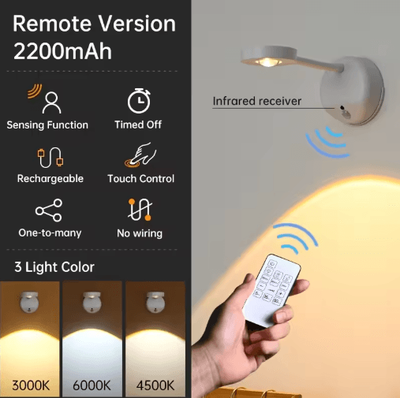
Inspire Picks USB Rechargeable Motion Sensor Wall Light Wireless Dimmable LED Spotlight For Pictures & Art white 2000mahHighlight your favorite spaces effortlessly with this smart motion sensor wall light. Designed for modern homes and art lovers, it automatically lights up when needed, adding both convenience and elegance. Its sleek, wireless design makes...66,92 $*Shipping: 0,00 $Secure redirect to the provider
-
The Dinosaur Book: Our World in Pictures (DK Our World in Pictures)Find out everything you need to know about dinosaurs, pterosaurs, marine reptiles, and prehistoric mammals with this picture-packed encyclopedia of curiosities. Come face-to-face with some of the most incredible creatures ever to exist in this incredible book of dinosaurs and other prehistoric life. With more than 1,000 extraordinary images and fascinating facts, kids aged 9-12 will love poring over the pages of Our World in Pictures: The Dinosaurs Book. This book brings to life all forms of prehistoric creatures through vivid illustrations and realistic digital reconstructions, showing their fearsome teeth, tails, legs and scales that enabled them to eat, move and defend themselves against predators. Celebrate your child's curiosity as they explore: - Striking and detailed diagrams, drawings, and illustrations on every page. - Covers all forms of prehistoric life, from the first primitive invertebrates to dazzling dinosaurs, and the earliest mammals. - Up-to-date, essential information about dinosaurs' evolution and extinction, and every aspect of dinosaur science. - Picture-heavy and text-light approach to introduce geological periods, evolution and extinction, and every aspect of dinosaur science. Young readers will love to find out about the latest scientific discoveries that have changed the way we see these fascinating prehistoric animals - from the discovery of feathered dinosaurs to analysing what has been found in their stomachs. Find all this and more in this dinosaur encyclopedia, featuring at-a-glance panels that provide a quick reference to all the stats, making it an ideal combination of colourful diagrams and informative text boxes. The easy-to-read text is accessible for kids aged 9+, yet can be enjoyed by the entire family, making this enthralling children's encyclopedia a beautiful and educational gift that can be passed down generations. Learn all about the world one picture at a time!7,95 £*Shipping: 2,99 £Secure redirect to the provider
-
Inspire Select Rechargeable Motion Sensor LED Spotlight Wireless Dimmable Wall Light For Art, Pictures & Indoor Lighting white 1200mahIlluminate your space effortlessly with this smart motion sensor LED spotlight designed for modern convenience and style. Perfect for art lovers and homeowners, this wireless wall light highlights paintings and dcor while saving energy. With...58,99 $*Shipping: 0,00 $Secure redirect to the provider
-
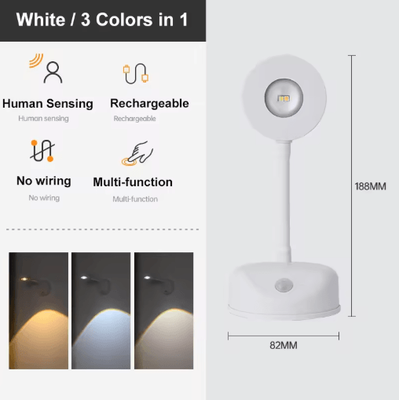
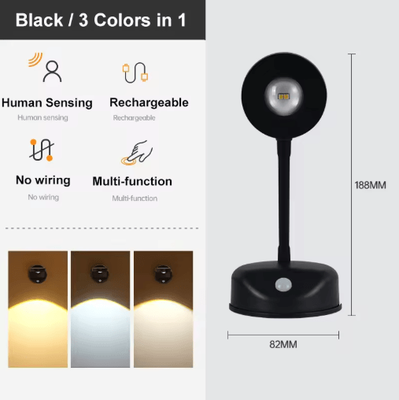
Inspire Picks Wireless Motion Sensor LED Wall Light USB Rechargeable Dimmable Spotlight For Paintings & Pictures blackUpgrade your home with this motion sensor wall light that combines smart technology with elegant, cordless design. Featuring intelligent human sensing, this wireless LED spotlight automatically turns on when motion is detected, providing convenient...62,51 $*Shipping: 0,00 $Secure redirect to the provider


-
How does pollination occur in insects?
Pollination in insects occurs when they visit flowers in search of nectar or pollen. As they feed, they inadvertently brush against the reproductive parts of the flower, picking up pollen grains. When the insect moves to another flower of the same species, some of this pollen is transferred to the stigma, fertilizing the flower. This process allows for the successful reproduction of many plant species with the help of insect pollinators. **
-
What forms of pollination exist in primroses?
Primroses exhibit both self-pollination and cross-pollination. Self-pollination occurs when the plant's own pollen fertilizes its own ovules, leading to genetic uniformity. Cross-pollination, on the other hand, involves the transfer of pollen from one plant to another, promoting genetic diversity. Primroses can be pollinated by insects, such as bees and butterflies, as well as by wind. **
-
How does the pollination of insects occur?
Insect pollination occurs when insects, such as bees, butterflies, and beetles, visit flowers in search of nectar or pollen. As they move from flower to flower, they inadvertently transfer pollen from the male reproductive parts of one flower to the female reproductive parts of another. This transfer of pollen allows for fertilization and the production of seeds and fruits. Insects are attracted to flowers by their colors, scents, and nectar, and in the process of feeding, they facilitate the crucial process of pollination. **
-
What terms exist for external and internal pollination?
External pollination occurs when pollen is transferred between flowers by an external agent, such as wind, water, or animals. Internal pollination, on the other hand, occurs when pollen is transferred within the same flower or between flowers of the same plant. Both types of pollination are essential for the reproduction of many plant species. **
Do grapes only grow with pollination by bees?
No, grapes do not require pollination by bees to grow. Grapes are self-pollinating plants, meaning they have both male and female reproductive parts within the same flower, allowing them to pollinate themselves. While bees can help with pollination and increase grape yields, they are not necessary for grape production. **
How does the pollination of hazelnut plants occur?
Hazelnut plants are pollinated by the wind. The male flowers release pollen, which is then carried by the wind to the female flowers. The female flowers have a stigma that catches the pollen, allowing fertilization to occur. This process does not require the assistance of insects or other animals, as the wind is the primary method of pollination for hazelnut plants. **
Top-Angebote
Products related to Pollination:
-
soundcore Nebula 100-Inch Outdoor Projector Screen Durable Setup for Backyard Cinema"100"" Big Screen for the Whole Family: Enjoy a truly cinematic experience at home or outdoors with a 100-inch screen—perfect for movie and game nights, and backyard gatherings. Quick, Easy Setup and Disassembly: Assemble and disassemble in less than..."169,00 $*Shipping: 0,00 $Secure redirect to the provider
-
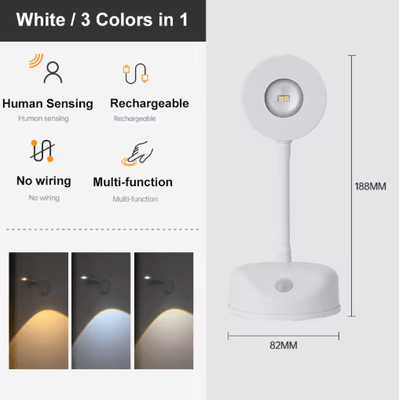
Inspire Picks Wireless Motion Sensor LED Wall Light USB Rechargeable Dimmable Spotlight For Paintings & Pictures whiteUpgrade your home with this motion sensor wall light that combines smart technology with elegant, cordless design. Featuring intelligent human sensing, this wireless LED spotlight automatically turns on when motion is detected, providing convenient...63,56 $*Shipping: 0,00 $Secure redirect to the provider
-
Inspire Picks USB Rechargeable Motion Sensor Wall Light Wireless Dimmable LED Spotlight For Pictures & Art white 2000mahHighlight your favorite spaces effortlessly with this smart motion sensor wall light. Designed for modern homes and art lovers, it automatically lights up when needed, adding both convenience and elegance. Its sleek, wireless design makes...66,92 $*Shipping: 0,00 $Secure redirect to the provider
-
The Dinosaur Book: Our World in Pictures (DK Our World in Pictures)Find out everything you need to know about dinosaurs, pterosaurs, marine reptiles, and prehistoric mammals with this picture-packed encyclopedia of curiosities. Come face-to-face with some of the most incredible creatures ever to exist in this incredible book of dinosaurs and other prehistoric life. With more than 1,000 extraordinary images and fascinating facts, kids aged 9-12 will love poring over the pages of Our World in Pictures: The Dinosaurs Book. This book brings to life all forms of prehistoric creatures through vivid illustrations and realistic digital reconstructions, showing their fearsome teeth, tails, legs and scales that enabled them to eat, move and defend themselves against predators. Celebrate your child's curiosity as they explore: - Striking and detailed diagrams, drawings, and illustrations on every page. - Covers all forms of prehistoric life, from the first primitive invertebrates to dazzling dinosaurs, and the earliest mammals. - Up-to-date, essential information about dinosaurs' evolution and extinction, and every aspect of dinosaur science. - Picture-heavy and text-light approach to introduce geological periods, evolution and extinction, and every aspect of dinosaur science. Young readers will love to find out about the latest scientific discoveries that have changed the way we see these fascinating prehistoric animals - from the discovery of feathered dinosaurs to analysing what has been found in their stomachs. Find all this and more in this dinosaur encyclopedia, featuring at-a-glance panels that provide a quick reference to all the stats, making it an ideal combination of colourful diagrams and informative text boxes. The easy-to-read text is accessible for kids aged 9+, yet can be enjoyed by the entire family, making this enthralling children's encyclopedia a beautiful and educational gift that can be passed down generations. Learn all about the world one picture at a time!7,95 £*Shipping: 2,99 £Secure redirect to the provider
-
What is the difference between self-pollination and cross-pollination?
Self-pollination occurs when pollen from the same plant fertilizes the ovules within the same flower or between different flowers on the same plant. This can happen through the transfer of pollen by wind, water, or self-pollinating mechanisms. On the other hand, cross-pollination involves the transfer of pollen from the male reproductive organ of one plant to the female reproductive organ of another plant of the same species. This process promotes genetic diversity and can result in stronger, more resilient offspring. **
-
What is pollination in flowers?
Pollination in flowers is the process by which pollen from the male reproductive organs (anthers) of a flower is transferred to the female reproductive organs (stigma) of the same or another flower, leading to fertilization and the production of seeds. This transfer of pollen can occur through various means, including wind, water, and animals such as bees, butterflies, and birds. Pollination is essential for the reproduction of flowering plants and the production of fruits and seeds. **
-
How does pollination occur in insects?
Pollination in insects occurs when they visit flowers in search of nectar or pollen. As they feed, they inadvertently brush against the reproductive parts of the flower, picking up pollen grains. When the insect moves to another flower of the same species, some of this pollen is transferred to the stigma, fertilizing the flower. This process allows for the successful reproduction of many plant species with the help of insect pollinators. **
-
What forms of pollination exist in primroses?
Primroses exhibit both self-pollination and cross-pollination. Self-pollination occurs when the plant's own pollen fertilizes its own ovules, leading to genetic uniformity. Cross-pollination, on the other hand, involves the transfer of pollen from one plant to another, promoting genetic diversity. Primroses can be pollinated by insects, such as bees and butterflies, as well as by wind. **
Similar search terms for Pollination
-
Inspire Select Rechargeable Motion Sensor LED Spotlight Wireless Dimmable Wall Light For Art, Pictures & Indoor Lighting white 1200mahIlluminate your space effortlessly with this smart motion sensor LED spotlight designed for modern convenience and style. Perfect for art lovers and homeowners, this wireless wall light highlights paintings and dcor while saving energy. With...58,99 $*Shipping: 0,00 $Secure redirect to the provider
-
Inspire Picks Wireless Motion Sensor LED Wall Light USB Rechargeable Dimmable Spotlight For Paintings & Pictures blackUpgrade your home with this motion sensor wall light that combines smart technology with elegant, cordless design. Featuring intelligent human sensing, this wireless LED spotlight automatically turns on when motion is detected, providing convenient...62,51 $*Shipping: 0,00 $Secure redirect to the provider
-
Inspire Picks USB Rechargeable Motion Sensor Wall Light Wireless Dimmable LED Spotlight For Pictures & Art white 1200mahHighlight your favorite spaces effortlessly with this smart motion sensor wall light. Designed for modern homes and art lovers, it automatically lights up when needed, adding both convenience and elegance. Its sleek, wireless design makes...55,65 $*Shipping: 0,00 $Secure redirect to the provider
-
Inspire Picks USB Rechargeable Motion Sensor Wall Light Wireless Dimmable LED Spotlight For Pictures & Art black 2000mahHighlight your favorite spaces effortlessly with this smart motion sensor wall light. Designed for modern homes and art lovers, it automatically lights up when needed, adding both convenience and elegance. Its sleek, wireless design makes...71,47 $*Shipping: 0,00 $Secure redirect to the provider
-
How does the pollination of insects occur?
Insect pollination occurs when insects, such as bees, butterflies, and beetles, visit flowers in search of nectar or pollen. As they move from flower to flower, they inadvertently transfer pollen from the male reproductive parts of one flower to the female reproductive parts of another. This transfer of pollen allows for fertilization and the production of seeds and fruits. Insects are attracted to flowers by their colors, scents, and nectar, and in the process of feeding, they facilitate the crucial process of pollination. **
-
What terms exist for external and internal pollination?
External pollination occurs when pollen is transferred between flowers by an external agent, such as wind, water, or animals. Internal pollination, on the other hand, occurs when pollen is transferred within the same flower or between flowers of the same plant. Both types of pollination are essential for the reproduction of many plant species. **
-
Do grapes only grow with pollination by bees?
No, grapes do not require pollination by bees to grow. Grapes are self-pollinating plants, meaning they have both male and female reproductive parts within the same flower, allowing them to pollinate themselves. While bees can help with pollination and increase grape yields, they are not necessary for grape production. **
-
How does the pollination of hazelnut plants occur?
Hazelnut plants are pollinated by the wind. The male flowers release pollen, which is then carried by the wind to the female flowers. The female flowers have a stigma that catches the pollen, allowing fertilization to occur. This process does not require the assistance of insects or other animals, as the wind is the primary method of pollination for hazelnut plants. **
* All prices are inclusive of VAT and, if applicable, plus shipping costs. The offer information is based on the details provided by the respective shop and is updated through automated processes. Real-time updates do not occur, so deviations can occur in individual cases. ** Note: Parts of this content were created by AI.