Buy abcmovies.eu ?
We are moving the project
abcmovies.eu .
Are you interested in purchasing the domain
abcmovies.eu ?
domain@kv-gmbh.de · 0541-91531010
Buy abcmovies.eu ?
How are eudaimonia and daimonion connected in Socrates' philosophy?
In Socrates' philosophy, eudaimonia refers to human flourishing or living a fulfilling life. Daimonion, on the other hand, refers to a divine sign or inner voice that guides individuals towards what is right and virtuous. Socrates believed that following one's daimonion would lead to eudaimonia, as it would guide individuals towards living a virtuous and fulfilling life. Therefore, the connection between eudaimonia and daimonion lies in the belief that following one's inner divine sign will ultimately lead to a flourishing and fulfilling life. **
What are the differences and similarities between eudaimonia and deontology?
Eudaimonia and deontology are both ethical theories, but they differ in their approach. Eudaimonia, often associated with Aristotle, focuses on the concept of human flourishing and living a virtuous life to achieve happiness. Deontology, on the other hand, is a moral theory that emphasizes the importance of following rules and duties to determine what is right or wrong, regardless of the consequences. Both theories aim to guide individuals in making ethical decisions, but eudaimonia is more focused on the overall well-being and character development of a person, while deontology is more concerned with the principles and duties that should be followed in moral decision-making. **


Similar search terms for Eudaimonia
Top-Angebote
Products related to Eudaimonia:
-
Inspire Picks USB Rechargeable Motion Sensor Wall Light Wireless Dimmable LED Spotlight For Pictures & Art white 2000mahHighlight your favorite spaces effortlessly with this smart motion sensor wall light. Designed for modern homes and art lovers, it automatically lights up when needed, adding both convenience and elegance. Its sleek, wireless design makes...66,92 $*Shipping: 0,00 $Secure redirect to the provider
-
The Dinosaur Book: Our World in Pictures (DK Our World in Pictures)Find out everything you need to know about dinosaurs, pterosaurs, marine reptiles, and prehistoric mammals with this picture-packed encyclopedia of curiosities. Come face-to-face with some of the most incredible creatures ever to exist in this incredible book of dinosaurs and other prehistoric life. With more than 1,000 extraordinary images and fascinating facts, kids aged 9-12 will love poring over the pages of Our World in Pictures: The Dinosaurs Book. This book brings to life all forms of prehistoric creatures through vivid illustrations and realistic digital reconstructions, showing their fearsome teeth, tails, legs and scales that enabled them to eat, move and defend themselves against predators. Celebrate your child's curiosity as they explore: - Striking and detailed diagrams, drawings, and illustrations on every page. - Covers all forms of prehistoric life, from the first primitive invertebrates to dazzling dinosaurs, and the earliest mammals. - Up-to-date, essential information about dinosaurs' evolution and extinction, and every aspect of dinosaur science. - Picture-heavy and text-light approach to introduce geological periods, evolution and extinction, and every aspect of dinosaur science. Young readers will love to find out about the latest scientific discoveries that have changed the way we see these fascinating prehistoric animals - from the discovery of feathered dinosaurs to analysing what has been found in their stomachs. Find all this and more in this dinosaur encyclopedia, featuring at-a-glance panels that provide a quick reference to all the stats, making it an ideal combination of colourful diagrams and informative text boxes. The easy-to-read text is accessible for kids aged 9+, yet can be enjoyed by the entire family, making this enthralling children's encyclopedia a beautiful and educational gift that can be passed down generations. Learn all about the world one picture at a time!7,95 £*Shipping: 2,99 £Secure redirect to the provider
-
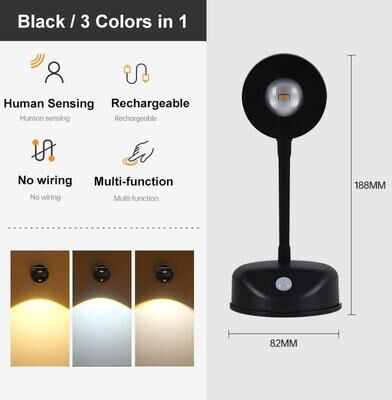
Inspire Select Rechargeable Motion Sensor LED Spotlight Wireless Dimmable Wall Light For Art, Pictures & Indoor Lighting black 2000mahIlluminate your space effortlessly with this smart motion sensor LED spotlight designed for modern convenience and style. Perfect for art lovers and homeowners, this wireless wall light highlights paintings and dcor while saving energy. With...66,99 $*Shipping: 0,00 $Secure redirect to the provider
-
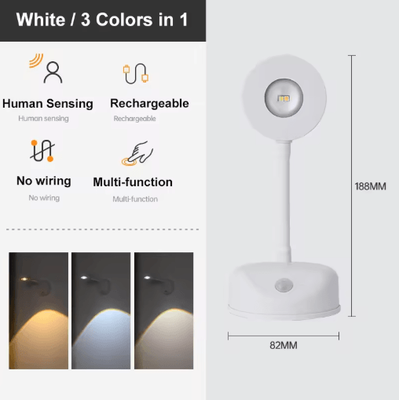
Inspire Picks Wireless Motion Sensor LED Wall Light USB Rechargeable Dimmable Spotlight For Paintings & Pictures whiteUpgrade your home with this motion sensor wall light that combines smart technology with elegant, cordless design. Featuring intelligent human sensing, this wireless LED spotlight automatically turns on when motion is detected, providing convenient...63,56 $*Shipping: 0,00 $Secure redirect to the provider


-
How are reason, language, and eudaimonia connected according to Aristotle?
According to Aristotle, reason, language, and eudaimonia are interconnected in the pursuit of human flourishing. Reason allows humans to engage in rational thought and make choices that lead to a virtuous and fulfilling life. Language enables individuals to communicate and express their thoughts, allowing for the sharing of knowledge and the development of moral virtues. Eudaimonia, or human flourishing, is achieved through the cultivation of virtues and the use of reason to make choices that lead to a life of purpose and fulfillment. Therefore, reason and language are essential tools in the pursuit of eudaimonia, as they enable individuals to develop and express their moral virtues and make choices that lead to a flourishing life. **
-
How are Eudaimonia and Daimonion related in the philosophy of Socrates?
In the philosophy of Socrates, Eudaimonia refers to human flourishing or living a life of fulfillment and happiness. Daimonion, on the other hand, refers to the inner voice or guiding spirit that Socrates believed each person possessed. Socrates believed that by following one's daimonion and living a virtuous life, one could achieve eudaimonia. Therefore, the relationship between Eudaimonia and Daimonion in Socrates' philosophy is that by listening to and following one's inner voice or daimonion, one can achieve a state of eudaimonia or true happiness and fulfillment. **
-
How are eudaimonia and daimonion related in the philosophy of Socrates?
In the philosophy of Socrates, eudaimonia refers to human flourishing or living a life of virtue and excellence. Daimonion, on the other hand, refers to the inner voice or guiding spirit that Socrates believed was a divine sign guiding him towards moral decisions. Socrates believed that following the guidance of his daimonion would lead to eudaimonia, as it would help him make virtuous choices and live a life in accordance with reason and moral principles. Thus, the relationship between eudaimonia and daimonion in Socrates' philosophy is that following the inner voice of daimonion is essential for achieving eudaimonia or human flourishing. **
-
How can one best differentiate between happiness, bliss, and eudaimonia according to Aristotle?
According to Aristotle, happiness (eudaimonia) is the ultimate goal of human life and is achieved through the cultivation of virtue and the fulfillment of one's potential. Bliss, on the other hand, is a state of extreme joy or contentment, often temporary and dependent on external circumstances. To differentiate between the two, one must consider that happiness is a more enduring and holistic state, encompassing a sense of fulfillment and purpose, while bliss is a fleeting emotional experience. Ultimately, Aristotle's concept of eudaimonia emphasizes the importance of living a virtuous and meaningful life, which goes beyond mere pleasure or temporary joy. **
Why, according to Aristotle, is happiness (Eudaimonia) not equivalent to having good luck (Eutychia)?
According to Aristotle, happiness (Eudaimonia) is not equivalent to having good luck (Eutychia) because happiness is a state of being that is achieved through virtuous actions and living a life in accordance with reason and moral virtue. Good luck, on the other hand, is external and based on chance or circumstances beyond one's control. Aristotle believed that true happiness comes from within and is the result of living a life of virtue, rather than relying on external factors like luck. **
Why, according to Aristotle, is happiness (Eudaimonia) not to be equated with having good luck (Eutychia)?
According to Aristotle, happiness (Eudaimonia) is not to be equated with having good luck (Eutychia) because happiness is not dependent on external circumstances or luck. Instead, happiness is the result of living a virtuous and fulfilling life, which requires deliberate action and cultivation of moral character. Good luck, on the other hand, is based on external factors that are beyond our control, and therefore cannot be the ultimate source of true and lasting happiness. Aristotle believed that true happiness comes from within, through the practice of virtue and the development of a well-lived life. **
Top-Angebote
Products related to Eudaimonia:
-
soundcore Nebula 100-Inch Outdoor Projector Screen Durable Setup for Backyard Cinema"100"" Big Screen for the Whole Family: Enjoy a truly cinematic experience at home or outdoors with a 100-inch screen—perfect for movie and game nights, and backyard gatherings. Quick, Easy Setup and Disassembly: Assemble and disassemble in less than..."169,00 $*Shipping: 0,00 $Secure redirect to the provider
-
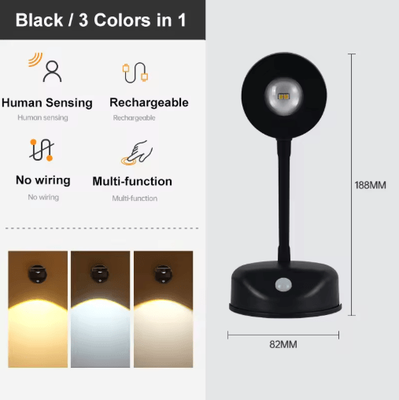
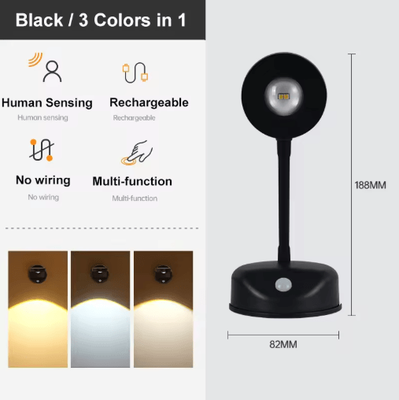
Inspire Picks Wireless Motion Sensor LED Wall Light USB Rechargeable Dimmable Spotlight For Paintings & Pictures blackUpgrade your home with this motion sensor wall light that combines smart technology with elegant, cordless design. Featuring intelligent human sensing, this wireless LED spotlight automatically turns on when motion is detected, providing convenient...62,51 $*Shipping: 0,00 $Secure redirect to the provider
-
Inspire Picks USB Rechargeable Motion Sensor Wall Light Wireless Dimmable LED Spotlight For Pictures & Art white 2000mahHighlight your favorite spaces effortlessly with this smart motion sensor wall light. Designed for modern homes and art lovers, it automatically lights up when needed, adding both convenience and elegance. Its sleek, wireless design makes...66,92 $*Shipping: 0,00 $Secure redirect to the provider
-
The Dinosaur Book: Our World in Pictures (DK Our World in Pictures)Find out everything you need to know about dinosaurs, pterosaurs, marine reptiles, and prehistoric mammals with this picture-packed encyclopedia of curiosities. Come face-to-face with some of the most incredible creatures ever to exist in this incredible book of dinosaurs and other prehistoric life. With more than 1,000 extraordinary images and fascinating facts, kids aged 9-12 will love poring over the pages of Our World in Pictures: The Dinosaurs Book. This book brings to life all forms of prehistoric creatures through vivid illustrations and realistic digital reconstructions, showing their fearsome teeth, tails, legs and scales that enabled them to eat, move and defend themselves against predators. Celebrate your child's curiosity as they explore: - Striking and detailed diagrams, drawings, and illustrations on every page. - Covers all forms of prehistoric life, from the first primitive invertebrates to dazzling dinosaurs, and the earliest mammals. - Up-to-date, essential information about dinosaurs' evolution and extinction, and every aspect of dinosaur science. - Picture-heavy and text-light approach to introduce geological periods, evolution and extinction, and every aspect of dinosaur science. Young readers will love to find out about the latest scientific discoveries that have changed the way we see these fascinating prehistoric animals - from the discovery of feathered dinosaurs to analysing what has been found in their stomachs. Find all this and more in this dinosaur encyclopedia, featuring at-a-glance panels that provide a quick reference to all the stats, making it an ideal combination of colourful diagrams and informative text boxes. The easy-to-read text is accessible for kids aged 9+, yet can be enjoyed by the entire family, making this enthralling children's encyclopedia a beautiful and educational gift that can be passed down generations. Learn all about the world one picture at a time!7,95 £*Shipping: 2,99 £Secure redirect to the provider
-
How are eudaimonia and daimonion connected in Socrates' philosophy?
In Socrates' philosophy, eudaimonia refers to human flourishing or living a fulfilling life. Daimonion, on the other hand, refers to a divine sign or inner voice that guides individuals towards what is right and virtuous. Socrates believed that following one's daimonion would lead to eudaimonia, as it would guide individuals towards living a virtuous and fulfilling life. Therefore, the connection between eudaimonia and daimonion lies in the belief that following one's inner divine sign will ultimately lead to a flourishing and fulfilling life. **
-
What are the differences and similarities between eudaimonia and deontology?
Eudaimonia and deontology are both ethical theories, but they differ in their approach. Eudaimonia, often associated with Aristotle, focuses on the concept of human flourishing and living a virtuous life to achieve happiness. Deontology, on the other hand, is a moral theory that emphasizes the importance of following rules and duties to determine what is right or wrong, regardless of the consequences. Both theories aim to guide individuals in making ethical decisions, but eudaimonia is more focused on the overall well-being and character development of a person, while deontology is more concerned with the principles and duties that should be followed in moral decision-making. **
-
How are reason, language, and eudaimonia connected according to Aristotle?
According to Aristotle, reason, language, and eudaimonia are interconnected in the pursuit of human flourishing. Reason allows humans to engage in rational thought and make choices that lead to a virtuous and fulfilling life. Language enables individuals to communicate and express their thoughts, allowing for the sharing of knowledge and the development of moral virtues. Eudaimonia, or human flourishing, is achieved through the cultivation of virtues and the use of reason to make choices that lead to a life of purpose and fulfillment. Therefore, reason and language are essential tools in the pursuit of eudaimonia, as they enable individuals to develop and express their moral virtues and make choices that lead to a flourishing life. **
-
How are Eudaimonia and Daimonion related in the philosophy of Socrates?
In the philosophy of Socrates, Eudaimonia refers to human flourishing or living a life of fulfillment and happiness. Daimonion, on the other hand, refers to the inner voice or guiding spirit that Socrates believed each person possessed. Socrates believed that by following one's daimonion and living a virtuous life, one could achieve eudaimonia. Therefore, the relationship between Eudaimonia and Daimonion in Socrates' philosophy is that by listening to and following one's inner voice or daimonion, one can achieve a state of eudaimonia or true happiness and fulfillment. **
Similar search terms for Eudaimonia
-
Inspire Select Rechargeable Motion Sensor LED Spotlight Wireless Dimmable Wall Light For Art, Pictures & Indoor Lighting black 2000mahIlluminate your space effortlessly with this smart motion sensor LED spotlight designed for modern convenience and style. Perfect for art lovers and homeowners, this wireless wall light highlights paintings and dcor while saving energy. With...66,99 $*Shipping: 0,00 $Secure redirect to the provider
-
Inspire Picks Wireless Motion Sensor LED Wall Light USB Rechargeable Dimmable Spotlight For Paintings & Pictures whiteUpgrade your home with this motion sensor wall light that combines smart technology with elegant, cordless design. Featuring intelligent human sensing, this wireless LED spotlight automatically turns on when motion is detected, providing convenient...63,56 $*Shipping: 0,00 $Secure redirect to the provider
-
Inspire Picks USB Rechargeable Motion Sensor Wall Light Wireless Dimmable LED Spotlight For Pictures & Art black 1200mahHighlight your favorite spaces effortlessly with this smart motion sensor wall light. Designed for modern homes and art lovers, it automatically lights up when needed, adding both convenience and elegance. Its sleek, wireless design makes...56,49 $*Shipping: 0,00 $Secure redirect to the provider
-
Inspire Picks USB Rechargeable Motion Sensor Wall Light Wireless Dimmable LED Spotlight For Pictures & Art black 2000mahHighlight your favorite spaces effortlessly with this smart motion sensor wall light. Designed for modern homes and art lovers, it automatically lights up when needed, adding both convenience and elegance. Its sleek, wireless design makes...71,47 $*Shipping: 0,00 $Secure redirect to the provider
-
How are eudaimonia and daimonion related in the philosophy of Socrates?
In the philosophy of Socrates, eudaimonia refers to human flourishing or living a life of virtue and excellence. Daimonion, on the other hand, refers to the inner voice or guiding spirit that Socrates believed was a divine sign guiding him towards moral decisions. Socrates believed that following the guidance of his daimonion would lead to eudaimonia, as it would help him make virtuous choices and live a life in accordance with reason and moral principles. Thus, the relationship between eudaimonia and daimonion in Socrates' philosophy is that following the inner voice of daimonion is essential for achieving eudaimonia or human flourishing. **
-
How can one best differentiate between happiness, bliss, and eudaimonia according to Aristotle?
According to Aristotle, happiness (eudaimonia) is the ultimate goal of human life and is achieved through the cultivation of virtue and the fulfillment of one's potential. Bliss, on the other hand, is a state of extreme joy or contentment, often temporary and dependent on external circumstances. To differentiate between the two, one must consider that happiness is a more enduring and holistic state, encompassing a sense of fulfillment and purpose, while bliss is a fleeting emotional experience. Ultimately, Aristotle's concept of eudaimonia emphasizes the importance of living a virtuous and meaningful life, which goes beyond mere pleasure or temporary joy. **
-
Why, according to Aristotle, is happiness (Eudaimonia) not equivalent to having good luck (Eutychia)?
According to Aristotle, happiness (Eudaimonia) is not equivalent to having good luck (Eutychia) because happiness is a state of being that is achieved through virtuous actions and living a life in accordance with reason and moral virtue. Good luck, on the other hand, is external and based on chance or circumstances beyond one's control. Aristotle believed that true happiness comes from within and is the result of living a life of virtue, rather than relying on external factors like luck. **
-
Why, according to Aristotle, is happiness (Eudaimonia) not to be equated with having good luck (Eutychia)?
According to Aristotle, happiness (Eudaimonia) is not to be equated with having good luck (Eutychia) because happiness is not dependent on external circumstances or luck. Instead, happiness is the result of living a virtuous and fulfilling life, which requires deliberate action and cultivation of moral character. Good luck, on the other hand, is based on external factors that are beyond our control, and therefore cannot be the ultimate source of true and lasting happiness. Aristotle believed that true happiness comes from within, through the practice of virtue and the development of a well-lived life. **
* All prices are inclusive of VAT and, if applicable, plus shipping costs. The offer information is based on the details provided by the respective shop and is updated through automated processes. Real-time updates do not occur, so deviations can occur in individual cases. ** Note: Parts of this content were created by AI.