Buy abcmovies.eu ?
We are moving the project
abcmovies.eu .
Are you interested in purchasing the domain
abcmovies.eu ?
domain@kv-gmbh.de · 0541-91531010
Buy abcmovies.eu ?
How does the autonomic nervous system work?
The autonomic nervous system controls involuntary bodily functions such as heart rate, digestion, and breathing. It is divided into two branches: the sympathetic nervous system, which activates the body's fight-or-flight response in times of stress, and the parasympathetic nervous system, which promotes relaxation and rest. These two branches work in opposition to maintain homeostasis in the body. The autonomic nervous system operates largely unconsciously, responding to signals from the brain and sensory organs to regulate various bodily functions. **
What does the autonomic nervous system do?
The autonomic nervous system controls involuntary bodily functions such as heart rate, digestion, respiratory rate, and blood pressure. It regulates these functions to maintain homeostasis and respond to changes in the internal and external environment. The autonomic nervous system has two main divisions - the sympathetic and parasympathetic nervous systems, which work together to balance and coordinate the body's physiological processes. Overall, the autonomic nervous system plays a crucial role in ensuring the body functions properly without conscious effort. **


Similar search terms for Autonomic
Top-Angebote
Products related to Autonomic:
-
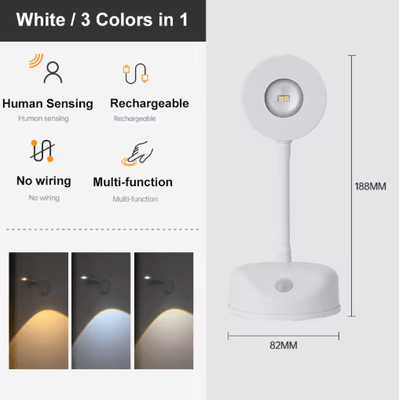
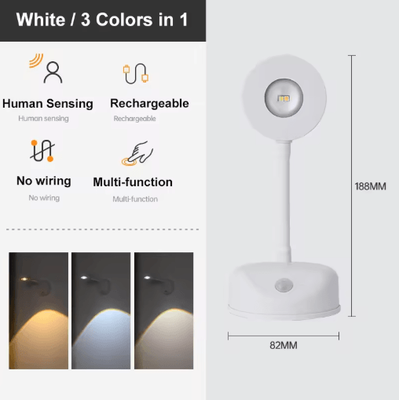
Inspire Picks USB Rechargeable Motion Sensor Wall Light Wireless Dimmable LED Spotlight For Pictures & Art white 1200mahHighlight your favorite spaces effortlessly with this smart motion sensor wall light. Designed for modern homes and art lovers, it automatically lights up when needed, adding both convenience and elegance. Its sleek, wireless design makes...55,65 $*Shipping: 0,00 $Secure redirect to the provider
-
The Dinosaur Book: Our World in Pictures (DK Our World in Pictures)Find out everything you need to know about dinosaurs, pterosaurs, marine reptiles, and prehistoric mammals with this picture-packed encyclopedia of curiosities. Come face-to-face with some of the most incredible creatures ever to exist in this incredible book of dinosaurs and other prehistoric life. With more than 1,000 extraordinary images and fascinating facts, kids aged 9-12 will love poring over the pages of Our World in Pictures: The Dinosaurs Book. This book brings to life all forms of prehistoric creatures through vivid illustrations and realistic digital reconstructions, showing their fearsome teeth, tails, legs and scales that enabled them to eat, move and defend themselves against predators. Celebrate your child's curiosity as they explore: - Striking and detailed diagrams, drawings, and illustrations on every page. - Covers all forms of prehistoric life, from the first primitive invertebrates to dazzling dinosaurs, and the earliest mammals. - Up-to-date, essential information about dinosaurs' evolution and extinction, and every aspect of dinosaur science. - Picture-heavy and text-light approach to introduce geological periods, evolution and extinction, and every aspect of dinosaur science. Young readers will love to find out about the latest scientific discoveries that have changed the way we see these fascinating prehistoric animals - from the discovery of feathered dinosaurs to analysing what has been found in their stomachs. Find all this and more in this dinosaur encyclopedia, featuring at-a-glance panels that provide a quick reference to all the stats, making it an ideal combination of colourful diagrams and informative text boxes. The easy-to-read text is accessible for kids aged 9+, yet can be enjoyed by the entire family, making this enthralling children's encyclopedia a beautiful and educational gift that can be passed down generations. Learn all about the world one picture at a time!7,95 £*Shipping: 2,99 £Secure redirect to the provider
-
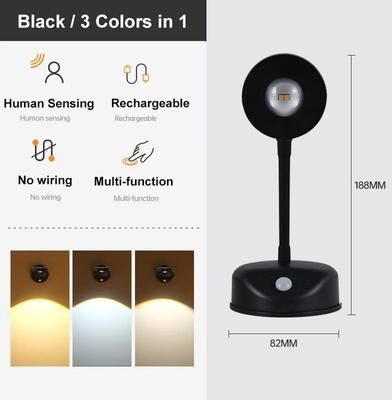
Inspire Select Rechargeable Motion Sensor LED Spotlight Wireless Dimmable Wall Light For Art, Pictures & Indoor Lighting black 1200mahIlluminate your space effortlessly with this smart motion sensor LED spotlight designed for modern convenience and style. Perfect for art lovers and homeowners, this wireless wall light highlights paintings and dcor while saving energy. With...58,99 $*Shipping: 0,00 $Secure redirect to the provider
-
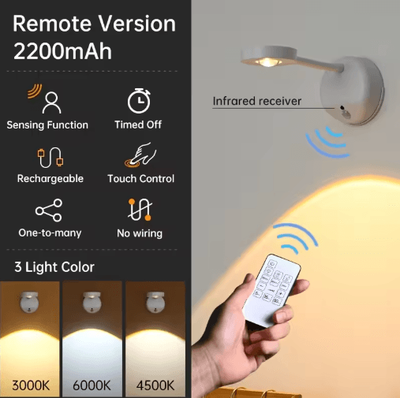
Inspire Picks Wireless Motion Sensor LED Wall Light USB Rechargeable Dimmable Spotlight For Paintings & Pictures whiteUpgrade your home with this motion sensor wall light that combines smart technology with elegant, cordless design. Featuring intelligent human sensing, this wireless LED spotlight automatically turns on when motion is detected, providing convenient...63,56 $*Shipping: 0,00 $Secure redirect to the provider

-
What is the difference between dermatomes and autonomic regions?
Dermatomes are specific areas of skin supplied by a single spinal nerve, while autonomic regions are areas of the body that are innervated by the autonomic nervous system. Dermatomes are responsible for sensory perception, such as touch and temperature, while autonomic regions control involuntary functions like heart rate, digestion, and respiratory rate. Additionally, dermatomes are related to somatic sensation, while autonomic regions are related to visceral functions. **
-
How do I solve the task Biology: Autonomic Nervous System - Parasympathetic?
To solve the task "Biology: Autonomic Nervous System - Parasympathetic," you should first understand the basics of the autonomic nervous system, including its two main divisions - the sympathetic and parasympathetic nervous systems. Focus on the functions and effects of the parasympathetic nervous system, such as its role in rest and digest activities. Additionally, familiarize yourself with the neurotransmitters involved in the parasympathetic system, like acetylcholine. Finally, practice applying this knowledge to different scenarios or questions related to the parasympathetic nervous system to solidify your understanding. **
-
What is the difference between the peripheral and the autonomic nervous system?
The peripheral nervous system consists of all the nerves outside of the brain and spinal cord, including sensory and motor nerves. It is responsible for transmitting information between the central nervous system and the rest of the body. The autonomic nervous system is a division of the peripheral nervous system that controls involuntary bodily functions, such as heart rate, digestion, and respiratory rate. While the peripheral nervous system includes both voluntary and involuntary nerves, the autonomic nervous system specifically regulates involuntary actions. **
-
What does it mean when the autonomic nervous system is out of balance?
When the autonomic nervous system is out of balance, it means that there is an imbalance between the sympathetic and parasympathetic branches of the system. This can lead to symptoms such as increased heart rate, high blood pressure, digestive issues, anxiety, or difficulty sleeping. An out-of-balance autonomic nervous system can result from chronic stress, trauma, or certain medical conditions, and it can impact overall health and well-being. It is important to address this imbalance through relaxation techniques, lifestyle changes, and sometimes medical interventions to restore harmony to the autonomic nervous system. **
Why is the autonomic nervous system also referred to as a separate nervous system?
The autonomic nervous system is referred to as a separate nervous system because it functions independently from the somatic nervous system, which controls voluntary movements. The autonomic nervous system regulates involuntary bodily functions such as heart rate, digestion, and respiratory rate. It is responsible for maintaining homeostasis and responding to internal and external stimuli without conscious effort. This separation allows the autonomic nervous system to carry out its functions without direct control from the conscious mind. **
What is the exact difference between stop-motion films and animated films?
Stop-motion films are created by physically manipulating objects or characters frame by frame to create the illusion of movement, while animated films are created using drawings, computer-generated imagery, or a combination of both. Stop-motion films involve capturing individual frames of still images, whereas animated films involve creating moving images through various techniques. Both types of films require meticulous attention to detail and precise execution, but the main difference lies in the method used to create the final product. **
Top-Angebote
Products related to Autonomic:
-
soundcore Nebula 100-Inch Outdoor Projector Screen Durable Setup for Backyard Cinema"100"" Big Screen for the Whole Family: Enjoy a truly cinematic experience at home or outdoors with a 100-inch screen—perfect for movie and game nights, and backyard gatherings. Quick, Easy Setup and Disassembly: Assemble and disassemble in less than..."169,00 $*Shipping: 0,00 $Secure redirect to the provider
-
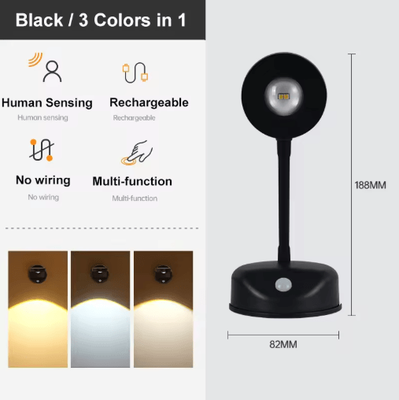
Inspire Picks Wireless Motion Sensor LED Wall Light USB Rechargeable Dimmable Spotlight For Paintings & Pictures blackUpgrade your home with this motion sensor wall light that combines smart technology with elegant, cordless design. Featuring intelligent human sensing, this wireless LED spotlight automatically turns on when motion is detected, providing convenient...62,51 $*Shipping: 0,00 $Secure redirect to the provider
-
Inspire Picks USB Rechargeable Motion Sensor Wall Light Wireless Dimmable LED Spotlight For Pictures & Art white 1200mahHighlight your favorite spaces effortlessly with this smart motion sensor wall light. Designed for modern homes and art lovers, it automatically lights up when needed, adding both convenience and elegance. Its sleek, wireless design makes...55,65 $*Shipping: 0,00 $Secure redirect to the provider
-
The Dinosaur Book: Our World in Pictures (DK Our World in Pictures)Find out everything you need to know about dinosaurs, pterosaurs, marine reptiles, and prehistoric mammals with this picture-packed encyclopedia of curiosities. Come face-to-face with some of the most incredible creatures ever to exist in this incredible book of dinosaurs and other prehistoric life. With more than 1,000 extraordinary images and fascinating facts, kids aged 9-12 will love poring over the pages of Our World in Pictures: The Dinosaurs Book. This book brings to life all forms of prehistoric creatures through vivid illustrations and realistic digital reconstructions, showing their fearsome teeth, tails, legs and scales that enabled them to eat, move and defend themselves against predators. Celebrate your child's curiosity as they explore: - Striking and detailed diagrams, drawings, and illustrations on every page. - Covers all forms of prehistoric life, from the first primitive invertebrates to dazzling dinosaurs, and the earliest mammals. - Up-to-date, essential information about dinosaurs' evolution and extinction, and every aspect of dinosaur science. - Picture-heavy and text-light approach to introduce geological periods, evolution and extinction, and every aspect of dinosaur science. Young readers will love to find out about the latest scientific discoveries that have changed the way we see these fascinating prehistoric animals - from the discovery of feathered dinosaurs to analysing what has been found in their stomachs. Find all this and more in this dinosaur encyclopedia, featuring at-a-glance panels that provide a quick reference to all the stats, making it an ideal combination of colourful diagrams and informative text boxes. The easy-to-read text is accessible for kids aged 9+, yet can be enjoyed by the entire family, making this enthralling children's encyclopedia a beautiful and educational gift that can be passed down generations. Learn all about the world one picture at a time!7,95 £*Shipping: 2,99 £Secure redirect to the provider
-
How does the autonomic nervous system work?
The autonomic nervous system controls involuntary bodily functions such as heart rate, digestion, and breathing. It is divided into two branches: the sympathetic nervous system, which activates the body's fight-or-flight response in times of stress, and the parasympathetic nervous system, which promotes relaxation and rest. These two branches work in opposition to maintain homeostasis in the body. The autonomic nervous system operates largely unconsciously, responding to signals from the brain and sensory organs to regulate various bodily functions. **
-
What does the autonomic nervous system do?
The autonomic nervous system controls involuntary bodily functions such as heart rate, digestion, respiratory rate, and blood pressure. It regulates these functions to maintain homeostasis and respond to changes in the internal and external environment. The autonomic nervous system has two main divisions - the sympathetic and parasympathetic nervous systems, which work together to balance and coordinate the body's physiological processes. Overall, the autonomic nervous system plays a crucial role in ensuring the body functions properly without conscious effort. **
-
What is the difference between dermatomes and autonomic regions?
Dermatomes are specific areas of skin supplied by a single spinal nerve, while autonomic regions are areas of the body that are innervated by the autonomic nervous system. Dermatomes are responsible for sensory perception, such as touch and temperature, while autonomic regions control involuntary functions like heart rate, digestion, and respiratory rate. Additionally, dermatomes are related to somatic sensation, while autonomic regions are related to visceral functions. **
-
How do I solve the task Biology: Autonomic Nervous System - Parasympathetic?
To solve the task "Biology: Autonomic Nervous System - Parasympathetic," you should first understand the basics of the autonomic nervous system, including its two main divisions - the sympathetic and parasympathetic nervous systems. Focus on the functions and effects of the parasympathetic nervous system, such as its role in rest and digest activities. Additionally, familiarize yourself with the neurotransmitters involved in the parasympathetic system, like acetylcholine. Finally, practice applying this knowledge to different scenarios or questions related to the parasympathetic nervous system to solidify your understanding. **
Similar search terms for Autonomic
-
Inspire Select Rechargeable Motion Sensor LED Spotlight Wireless Dimmable Wall Light For Art, Pictures & Indoor Lighting black 1200mahIlluminate your space effortlessly with this smart motion sensor LED spotlight designed for modern convenience and style. Perfect for art lovers and homeowners, this wireless wall light highlights paintings and dcor while saving energy. With...58,99 $*Shipping: 0,00 $Secure redirect to the provider
-
Inspire Picks Wireless Motion Sensor LED Wall Light USB Rechargeable Dimmable Spotlight For Paintings & Pictures whiteUpgrade your home with this motion sensor wall light that combines smart technology with elegant, cordless design. Featuring intelligent human sensing, this wireless LED spotlight automatically turns on when motion is detected, providing convenient...63,56 $*Shipping: 0,00 $Secure redirect to the provider
-
Inspire Picks USB Rechargeable Motion Sensor Wall Light Wireless Dimmable LED Spotlight For Pictures & Art black 2000mahHighlight your favorite spaces effortlessly with this smart motion sensor wall light. Designed for modern homes and art lovers, it automatically lights up when needed, adding both convenience and elegance. Its sleek, wireless design makes...71,47 $*Shipping: 0,00 $Secure redirect to the provider
-
Inspire Picks USB Rechargeable Motion Sensor Wall Light Wireless Dimmable LED Spotlight For Pictures & Art white 2000mahHighlight your favorite spaces effortlessly with this smart motion sensor wall light. Designed for modern homes and art lovers, it automatically lights up when needed, adding both convenience and elegance. Its sleek, wireless design makes...66,92 $*Shipping: 0,00 $Secure redirect to the provider
-
What is the difference between the peripheral and the autonomic nervous system?
The peripheral nervous system consists of all the nerves outside of the brain and spinal cord, including sensory and motor nerves. It is responsible for transmitting information between the central nervous system and the rest of the body. The autonomic nervous system is a division of the peripheral nervous system that controls involuntary bodily functions, such as heart rate, digestion, and respiratory rate. While the peripheral nervous system includes both voluntary and involuntary nerves, the autonomic nervous system specifically regulates involuntary actions. **
-
What does it mean when the autonomic nervous system is out of balance?
When the autonomic nervous system is out of balance, it means that there is an imbalance between the sympathetic and parasympathetic branches of the system. This can lead to symptoms such as increased heart rate, high blood pressure, digestive issues, anxiety, or difficulty sleeping. An out-of-balance autonomic nervous system can result from chronic stress, trauma, or certain medical conditions, and it can impact overall health and well-being. It is important to address this imbalance through relaxation techniques, lifestyle changes, and sometimes medical interventions to restore harmony to the autonomic nervous system. **
-
Why is the autonomic nervous system also referred to as a separate nervous system?
The autonomic nervous system is referred to as a separate nervous system because it functions independently from the somatic nervous system, which controls voluntary movements. The autonomic nervous system regulates involuntary bodily functions such as heart rate, digestion, and respiratory rate. It is responsible for maintaining homeostasis and responding to internal and external stimuli without conscious effort. This separation allows the autonomic nervous system to carry out its functions without direct control from the conscious mind. **
-
What is the exact difference between stop-motion films and animated films?
Stop-motion films are created by physically manipulating objects or characters frame by frame to create the illusion of movement, while animated films are created using drawings, computer-generated imagery, or a combination of both. Stop-motion films involve capturing individual frames of still images, whereas animated films involve creating moving images through various techniques. Both types of films require meticulous attention to detail and precise execution, but the main difference lies in the method used to create the final product. **
* All prices are inclusive of VAT and, if applicable, plus shipping costs. The offer information is based on the details provided by the respective shop and is updated through automated processes. Real-time updates do not occur, so deviations can occur in individual cases. ** Note: Parts of this content were created by AI.