Buy abcmovies.eu ?
We are moving the project
abcmovies.eu .
Are you interested in purchasing the domain
abcmovies.eu ?
domain@kv-gmbh.de · 0541-91531010
Buy abcmovies.eu ?
What does the archaeologist ask?
The archaeologist asks questions related to the past, such as how people lived, what they ate, what tools they used, and how they interacted with their environment. They also inquire about the significance of artifacts, structures, and other remains found at a site, seeking to understand the cultural, social, and economic aspects of ancient societies. Additionally, archaeologists may ask questions about the chronology of a site, trying to determine when specific events occurred and how they relate to broader historical contexts. **
Can you advance as an archaeologist?
Yes, you can advance as an archaeologist by gaining more experience, pursuing higher education such as a master's or doctoral degree in archaeology or a related field, specializing in a specific area of archaeology, and conducting research and publishing your findings. Advancement opportunities may also include taking on leadership roles in archaeological projects, working for prestigious institutions, and collaborating with other experts in the field. Continuous learning, networking, and staying updated on the latest developments in archaeology are key to advancing in this career. **


Similar search terms for Archaeologist
Top-Angebote
Products related to Archaeologist:
-
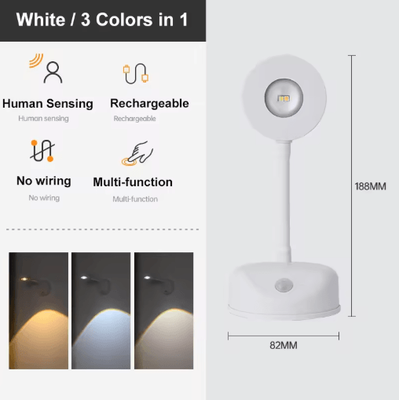
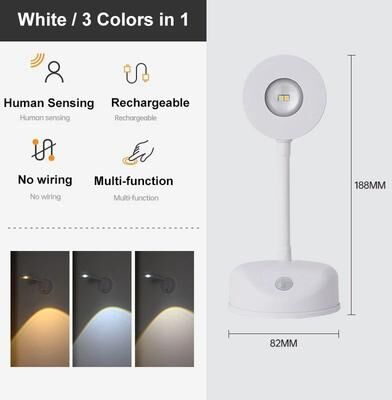
Inspire Picks USB Rechargeable Motion Sensor Wall Light Wireless Dimmable LED Spotlight For Pictures & Art white 2000mahHighlight your favorite spaces effortlessly with this smart motion sensor wall light. Designed for modern homes and art lovers, it automatically lights up when needed, adding both convenience and elegance. Its sleek, wireless design makes...66,92 $*Shipping: 0,00 $Secure redirect to the provider
-
The Dinosaur Book: Our World in Pictures (DK Our World in Pictures)Find out everything you need to know about dinosaurs, pterosaurs, marine reptiles, and prehistoric mammals with this picture-packed encyclopedia of curiosities. Come face-to-face with some of the most incredible creatures ever to exist in this incredible book of dinosaurs and other prehistoric life. With more than 1,000 extraordinary images and fascinating facts, kids aged 9-12 will love poring over the pages of Our World in Pictures: The Dinosaurs Book. This book brings to life all forms of prehistoric creatures through vivid illustrations and realistic digital reconstructions, showing their fearsome teeth, tails, legs and scales that enabled them to eat, move and defend themselves against predators. Celebrate your child's curiosity as they explore: - Striking and detailed diagrams, drawings, and illustrations on every page. - Covers all forms of prehistoric life, from the first primitive invertebrates to dazzling dinosaurs, and the earliest mammals. - Up-to-date, essential information about dinosaurs' evolution and extinction, and every aspect of dinosaur science. - Picture-heavy and text-light approach to introduce geological periods, evolution and extinction, and every aspect of dinosaur science. Young readers will love to find out about the latest scientific discoveries that have changed the way we see these fascinating prehistoric animals - from the discovery of feathered dinosaurs to analysing what has been found in their stomachs. Find all this and more in this dinosaur encyclopedia, featuring at-a-glance panels that provide a quick reference to all the stats, making it an ideal combination of colourful diagrams and informative text boxes. The easy-to-read text is accessible for kids aged 9+, yet can be enjoyed by the entire family, making this enthralling children's encyclopedia a beautiful and educational gift that can be passed down generations. Learn all about the world one picture at a time!7,95 £*Shipping: 2,99 £Secure redirect to the provider
-
Inspire Select Rechargeable Motion Sensor LED Spotlight Wireless Dimmable Wall Light For Art, Pictures & Indoor Lighting white 1200mahIlluminate your space effortlessly with this smart motion sensor LED spotlight designed for modern convenience and style. Perfect for art lovers and homeowners, this wireless wall light highlights paintings and dcor while saving energy. With...58,99 $*Shipping: 0,00 $Secure redirect to the provider
-
Inspire Picks Wireless Motion Sensor LED Wall Light USB Rechargeable Dimmable Spotlight For Paintings & Pictures blackUpgrade your home with this motion sensor wall light that combines smart technology with elegant, cordless design. Featuring intelligent human sensing, this wireless LED spotlight automatically turns on when motion is detected, providing convenient...62,51 $*Shipping: 0,00 $Secure redirect to the provider


-
Can one advance as an archaeologist?
Yes, one can advance as an archaeologist by gaining experience through fieldwork, research, and publications. Advancement opportunities can also come through pursuing higher education such as a master's or doctoral degree in archaeology or a related field. Building a strong network within the archaeological community, attending conferences, and collaborating with other professionals can also help in advancing one's career in archaeology. Additionally, seeking out leadership roles in archaeological projects or organizations can further contribute to career advancement in this field. **
-
What skills does an archaeologist need?
Archaeologists need a combination of technical skills, such as excavation techniques, artifact analysis, and mapping, as well as critical thinking and problem-solving skills to interpret findings. They also need strong research skills to analyze historical documents and data. Effective communication skills are essential for presenting findings to both academic audiences and the general public. Additionally, archaeologists need to be detail-oriented, patient, and have a passion for history and culture. **
-
How do I become an archaeologist?
To become an archaeologist, you typically need a bachelor's degree in archaeology or a related field such as anthropology, history, or classics. It is also beneficial to gain fieldwork experience through internships or volunteer opportunities. Some archaeologists pursue advanced degrees, such as a master's or Ph.D., to specialize in a particular area of archaeology. Networking with professionals in the field and staying current with developments in archaeology are also important steps in becoming a successful archaeologist. **
-
How does one become an archaeologist?
To become an archaeologist, one typically needs to earn a bachelor's degree in archaeology, anthropology, or a related field. Some positions may require a master's or doctoral degree, especially for research or academic roles. It is also important to gain field experience through internships, volunteer work, or field schools. Developing strong research, analytical, and communication skills is essential for success in this field. Additionally, networking with professionals in the field and staying updated on current archaeological methods and technologies can help advance a career in archaeology. **
Can one be a historian and archaeologist?
Yes, one can be a historian and an archaeologist. Historians study and interpret written records and documents to understand and analyze past events, while archaeologists study material remains such as artifacts, structures, and landscapes to reconstruct and understand past human cultures and societies. Both disciplines are complementary and often overlap in their research methods and goals, making it possible for individuals to be trained and work in both fields. This interdisciplinary approach can provide a more comprehensive understanding of the past. **
Is there a similar profession to archaeologist?
Yes, a similar profession to archaeologist is anthropologist. Both archaeologists and anthropologists study human societies and cultures, but archaeologists focus on studying past human societies through the analysis of material remains such as artifacts, structures, and environmental data, while anthropologists study human societies and cultures in a broader sense, including their social, cultural, biological, and linguistic aspects. Both professions require a strong understanding of human history and culture, as well as the ability to conduct research and analyze data. **
Top-Angebote
Products related to Archaeologist:
-
soundcore Nebula 100-Inch Outdoor Projector Screen Durable Setup for Backyard Cinema"100"" Big Screen for the Whole Family: Enjoy a truly cinematic experience at home or outdoors with a 100-inch screen—perfect for movie and game nights, and backyard gatherings. Quick, Easy Setup and Disassembly: Assemble and disassemble in less than..."169,00 $*Shipping: 0,00 $Secure redirect to the provider
-
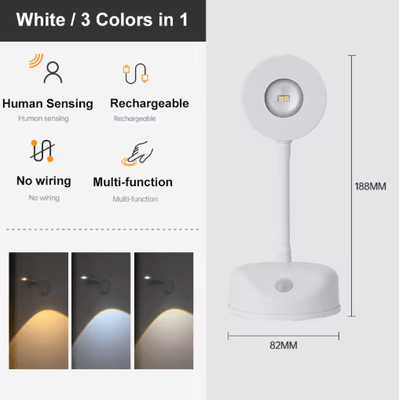
Inspire Picks Wireless Motion Sensor LED Wall Light USB Rechargeable Dimmable Spotlight For Paintings & Pictures whiteUpgrade your home with this motion sensor wall light that combines smart technology with elegant, cordless design. Featuring intelligent human sensing, this wireless LED spotlight automatically turns on when motion is detected, providing convenient...63,56 $*Shipping: 0,00 $Secure redirect to the provider
-
Inspire Picks USB Rechargeable Motion Sensor Wall Light Wireless Dimmable LED Spotlight For Pictures & Art white 2000mahHighlight your favorite spaces effortlessly with this smart motion sensor wall light. Designed for modern homes and art lovers, it automatically lights up when needed, adding both convenience and elegance. Its sleek, wireless design makes...66,92 $*Shipping: 0,00 $Secure redirect to the provider
-
The Dinosaur Book: Our World in Pictures (DK Our World in Pictures)Find out everything you need to know about dinosaurs, pterosaurs, marine reptiles, and prehistoric mammals with this picture-packed encyclopedia of curiosities. Come face-to-face with some of the most incredible creatures ever to exist in this incredible book of dinosaurs and other prehistoric life. With more than 1,000 extraordinary images and fascinating facts, kids aged 9-12 will love poring over the pages of Our World in Pictures: The Dinosaurs Book. This book brings to life all forms of prehistoric creatures through vivid illustrations and realistic digital reconstructions, showing their fearsome teeth, tails, legs and scales that enabled them to eat, move and defend themselves against predators. Celebrate your child's curiosity as they explore: - Striking and detailed diagrams, drawings, and illustrations on every page. - Covers all forms of prehistoric life, from the first primitive invertebrates to dazzling dinosaurs, and the earliest mammals. - Up-to-date, essential information about dinosaurs' evolution and extinction, and every aspect of dinosaur science. - Picture-heavy and text-light approach to introduce geological periods, evolution and extinction, and every aspect of dinosaur science. Young readers will love to find out about the latest scientific discoveries that have changed the way we see these fascinating prehistoric animals - from the discovery of feathered dinosaurs to analysing what has been found in their stomachs. Find all this and more in this dinosaur encyclopedia, featuring at-a-glance panels that provide a quick reference to all the stats, making it an ideal combination of colourful diagrams and informative text boxes. The easy-to-read text is accessible for kids aged 9+, yet can be enjoyed by the entire family, making this enthralling children's encyclopedia a beautiful and educational gift that can be passed down generations. Learn all about the world one picture at a time!7,95 £*Shipping: 2,99 £Secure redirect to the provider
-
What does the archaeologist ask?
The archaeologist asks questions related to the past, such as how people lived, what they ate, what tools they used, and how they interacted with their environment. They also inquire about the significance of artifacts, structures, and other remains found at a site, seeking to understand the cultural, social, and economic aspects of ancient societies. Additionally, archaeologists may ask questions about the chronology of a site, trying to determine when specific events occurred and how they relate to broader historical contexts. **
-
Can you advance as an archaeologist?
Yes, you can advance as an archaeologist by gaining more experience, pursuing higher education such as a master's or doctoral degree in archaeology or a related field, specializing in a specific area of archaeology, and conducting research and publishing your findings. Advancement opportunities may also include taking on leadership roles in archaeological projects, working for prestigious institutions, and collaborating with other experts in the field. Continuous learning, networking, and staying updated on the latest developments in archaeology are key to advancing in this career. **
-
Can one advance as an archaeologist?
Yes, one can advance as an archaeologist by gaining experience through fieldwork, research, and publications. Advancement opportunities can also come through pursuing higher education such as a master's or doctoral degree in archaeology or a related field. Building a strong network within the archaeological community, attending conferences, and collaborating with other professionals can also help in advancing one's career in archaeology. Additionally, seeking out leadership roles in archaeological projects or organizations can further contribute to career advancement in this field. **
-
What skills does an archaeologist need?
Archaeologists need a combination of technical skills, such as excavation techniques, artifact analysis, and mapping, as well as critical thinking and problem-solving skills to interpret findings. They also need strong research skills to analyze historical documents and data. Effective communication skills are essential for presenting findings to both academic audiences and the general public. Additionally, archaeologists need to be detail-oriented, patient, and have a passion for history and culture. **
Similar search terms for Archaeologist
-
Inspire Select Rechargeable Motion Sensor LED Spotlight Wireless Dimmable Wall Light For Art, Pictures & Indoor Lighting white 1200mahIlluminate your space effortlessly with this smart motion sensor LED spotlight designed for modern convenience and style. Perfect for art lovers and homeowners, this wireless wall light highlights paintings and dcor while saving energy. With...58,99 $*Shipping: 0,00 $Secure redirect to the provider
-
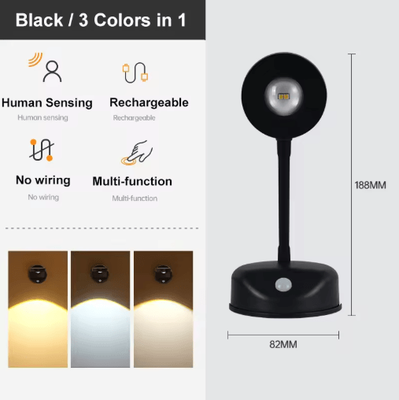
Inspire Picks Wireless Motion Sensor LED Wall Light USB Rechargeable Dimmable Spotlight For Paintings & Pictures blackUpgrade your home with this motion sensor wall light that combines smart technology with elegant, cordless design. Featuring intelligent human sensing, this wireless LED spotlight automatically turns on when motion is detected, providing convenient...62,51 $*Shipping: 0,00 $Secure redirect to the provider
-
Inspire Picks USB Rechargeable Motion Sensor Wall Light Wireless Dimmable LED Spotlight For Pictures & Art white 1200mahHighlight your favorite spaces effortlessly with this smart motion sensor wall light. Designed for modern homes and art lovers, it automatically lights up when needed, adding both convenience and elegance. Its sleek, wireless design makes...55,65 $*Shipping: 0,00 $Secure redirect to the provider
-
Inspire Picks USB Rechargeable Motion Sensor Wall Light Wireless Dimmable LED Spotlight For Pictures & Art black 2000mahHighlight your favorite spaces effortlessly with this smart motion sensor wall light. Designed for modern homes and art lovers, it automatically lights up when needed, adding both convenience and elegance. Its sleek, wireless design makes...71,47 $*Shipping: 0,00 $Secure redirect to the provider
-
How do I become an archaeologist?
To become an archaeologist, you typically need a bachelor's degree in archaeology or a related field such as anthropology, history, or classics. It is also beneficial to gain fieldwork experience through internships or volunteer opportunities. Some archaeologists pursue advanced degrees, such as a master's or Ph.D., to specialize in a particular area of archaeology. Networking with professionals in the field and staying current with developments in archaeology are also important steps in becoming a successful archaeologist. **
-
How does one become an archaeologist?
To become an archaeologist, one typically needs to earn a bachelor's degree in archaeology, anthropology, or a related field. Some positions may require a master's or doctoral degree, especially for research or academic roles. It is also important to gain field experience through internships, volunteer work, or field schools. Developing strong research, analytical, and communication skills is essential for success in this field. Additionally, networking with professionals in the field and staying updated on current archaeological methods and technologies can help advance a career in archaeology. **
-
Can one be a historian and archaeologist?
Yes, one can be a historian and an archaeologist. Historians study and interpret written records and documents to understand and analyze past events, while archaeologists study material remains such as artifacts, structures, and landscapes to reconstruct and understand past human cultures and societies. Both disciplines are complementary and often overlap in their research methods and goals, making it possible for individuals to be trained and work in both fields. This interdisciplinary approach can provide a more comprehensive understanding of the past. **
-
Is there a similar profession to archaeologist?
Yes, a similar profession to archaeologist is anthropologist. Both archaeologists and anthropologists study human societies and cultures, but archaeologists focus on studying past human societies through the analysis of material remains such as artifacts, structures, and environmental data, while anthropologists study human societies and cultures in a broader sense, including their social, cultural, biological, and linguistic aspects. Both professions require a strong understanding of human history and culture, as well as the ability to conduct research and analyze data. **
* All prices are inclusive of VAT and, if applicable, plus shipping costs. The offer information is based on the details provided by the respective shop and is updated through automated processes. Real-time updates do not occur, so deviations can occur in individual cases. ** Note: Parts of this content were created by AI.