Buy abcmovies.eu ?
We are moving the project
abcmovies.eu .
Are you interested in purchasing the domain
abcmovies.eu ?
domain@kv-gmbh.de · 0541-91531010
Buy abcmovies.eu ?
What are ATP and ADP?
ATP (adenosine triphosphate) is a molecule that stores and transfers energy within cells. It is often referred to as the "energy currency" of the cell because it provides the energy needed for various cellular processes. When ATP is used for energy, it is converted to ADP (adenosine diphosphate) by releasing one phosphate group, along with the energy stored in the bond. ADP can then be converted back to ATP through cellular respiration to replenish the cell's energy supply. **
What is ADP in biology?
ADP, or adenosine diphosphate, is a molecule that plays a crucial role in cellular energy metabolism. It is formed when ATP (adenosine triphosphate) loses one of its phosphate groups, releasing energy that can be used by the cell for various processes. ADP can be converted back into ATP through the process of cellular respiration, where energy from nutrients is used to reattach a phosphate group to ADP, replenishing the cell's energy supply. **


Similar search terms for Adp
Top-Angebote
Products related to Adp:
-
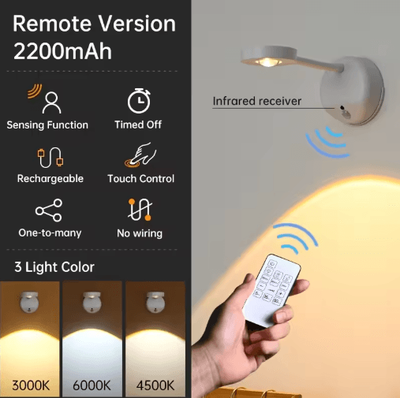
Inspire Picks USB Rechargeable Motion Sensor Wall Light Wireless Dimmable LED Spotlight For Pictures & Art white 2000mahHighlight your favorite spaces effortlessly with this smart motion sensor wall light. Designed for modern homes and art lovers, it automatically lights up when needed, adding both convenience and elegance. Its sleek, wireless design makes...66,92 $*Shipping: 0,00 $Secure redirect to the provider
-
The Dinosaur Book: Our World in Pictures (DK Our World in Pictures)Find out everything you need to know about dinosaurs, pterosaurs, marine reptiles, and prehistoric mammals with this picture-packed encyclopedia of curiosities. Come face-to-face with some of the most incredible creatures ever to exist in this incredible book of dinosaurs and other prehistoric life. With more than 1,000 extraordinary images and fascinating facts, kids aged 9-12 will love poring over the pages of Our World in Pictures: The Dinosaurs Book. This book brings to life all forms of prehistoric creatures through vivid illustrations and realistic digital reconstructions, showing their fearsome teeth, tails, legs and scales that enabled them to eat, move and defend themselves against predators. Celebrate your child's curiosity as they explore: - Striking and detailed diagrams, drawings, and illustrations on every page. - Covers all forms of prehistoric life, from the first primitive invertebrates to dazzling dinosaurs, and the earliest mammals. - Up-to-date, essential information about dinosaurs' evolution and extinction, and every aspect of dinosaur science. - Picture-heavy and text-light approach to introduce geological periods, evolution and extinction, and every aspect of dinosaur science. Young readers will love to find out about the latest scientific discoveries that have changed the way we see these fascinating prehistoric animals - from the discovery of feathered dinosaurs to analysing what has been found in their stomachs. Find all this and more in this dinosaur encyclopedia, featuring at-a-glance panels that provide a quick reference to all the stats, making it an ideal combination of colourful diagrams and informative text boxes. The easy-to-read text is accessible for kids aged 9+, yet can be enjoyed by the entire family, making this enthralling children's encyclopedia a beautiful and educational gift that can be passed down generations. Learn all about the world one picture at a time!7,95 £*Shipping: 2,99 £Secure redirect to the provider
-
Inspire Select Rechargeable Motion Sensor LED Spotlight Wireless Dimmable Wall Light For Art, Pictures & Indoor Lighting black 1200mahIlluminate your space effortlessly with this smart motion sensor LED spotlight designed for modern convenience and style. Perfect for art lovers and homeowners, this wireless wall light highlights paintings and dcor while saving energy. With...58,99 $*Shipping: 0,00 $Secure redirect to the provider
-
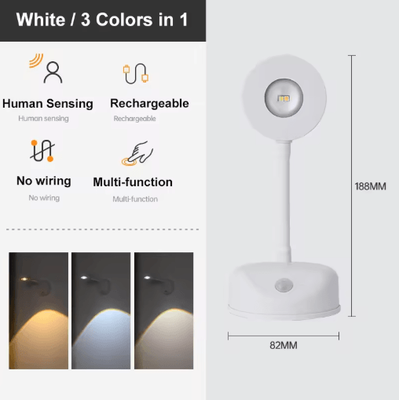
Inspire Picks Wireless Motion Sensor LED Wall Light USB Rechargeable Dimmable Spotlight For Paintings & Pictures whiteUpgrade your home with this motion sensor wall light that combines smart technology with elegant, cordless design. Featuring intelligent human sensing, this wireless LED spotlight automatically turns on when motion is detected, providing convenient...63,56 $*Shipping: 0,00 $Secure redirect to the provider

-
What are ATP, ADP, and AMP?
ATP (adenosine triphosphate) is a molecule that stores and transfers energy within cells. When ATP is used for energy, it is converted into ADP (adenosine diphosphate) by removing a phosphate group. Further breakdown of ADP results in AMP (adenosine monophosphate) by removing another phosphate group. These molecules are crucial for energy transfer and storage in various cellular processes. **
-
What is ATP, KP, and ADP?
ATP (adenosine triphosphate) is a molecule that stores and transfers energy within cells. It is often referred to as the "energy currency" of the cell. KP (potassium phosphate) is a salt that contains potassium and phosphate ions. It is involved in various cellular processes, including energy metabolism. ADP (adenosine diphosphate) is a molecule that forms when ATP loses one of its phosphate groups during energy-releasing reactions. ADP can be converted back into ATP through cellular respiration to replenish the cell's energy supply. **
-
Can ADP P be written as ADPP?
No, ADP P cannot be written as ADPP. ADP stands for adenosine diphosphate, which consists of adenosine and two phosphate groups. When written as ADP P, it indicates the presence of an additional phosphate group attached to adenosine diphosphate. Therefore, ADP P and ADPP are not the same. **
-
What is the difference between ATP and ADP?
ATP (adenosine triphosphate) is a high-energy molecule that stores and transfers energy within cells for various cellular processes. It consists of three phosphate groups. When ATP is used for energy, it is hydrolyzed into ADP (adenosine diphosphate) by removing one phosphate group, releasing energy in the process. ADP has two phosphate groups and is considered a lower-energy molecule compared to ATP. **
What is the difference between ADP and ATP?
ADP (adenosine diphosphate) and ATP (adenosine triphosphate) are both molecules involved in energy transfer within cells. The main difference between the two is the number of phosphate groups they contain. ATP has three phosphate groups, while ADP has two. When ATP is hydrolyzed, it releases energy and becomes ADP, and when ADP is phosphorylated, it gains a phosphate group and becomes ATP. This cycle of conversion between ADP and ATP is crucial for energy storage and transfer in cells. **
What is the labeling for ATP and ADP in biology?
In biology, ATP (adenosine triphosphate) is often referred to as the "energy currency" of the cell. It is labeled as the primary molecule used to store and transfer energy within cells. On the other hand, ADP (adenosine diphosphate) is the molecule that results from the hydrolysis of ATP, releasing energy for cellular processes. ADP is often labeled as the precursor to ATP, as it can be converted back into ATP through the addition of a phosphate group. **
Top-Angebote
Products related to Adp:
-
soundcore Nebula 100-Inch Outdoor Projector Screen Durable Setup for Backyard Cinema"100"" Big Screen for the Whole Family: Enjoy a truly cinematic experience at home or outdoors with a 100-inch screen—perfect for movie and game nights, and backyard gatherings. Quick, Easy Setup and Disassembly: Assemble and disassemble in less than..."119,00 $*Shipping: 0,00 $Secure redirect to the provider
-
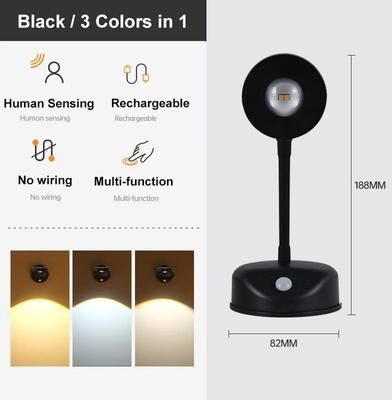
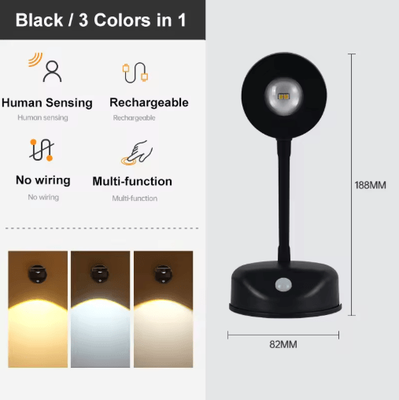
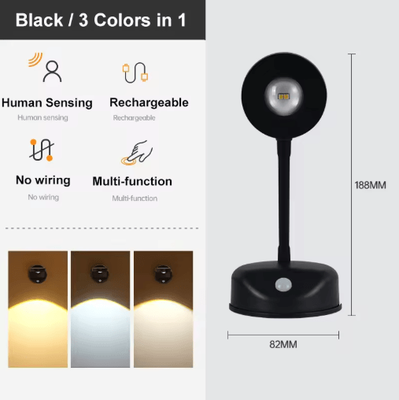
Inspire Picks Wireless Motion Sensor LED Wall Light USB Rechargeable Dimmable Spotlight For Paintings & Pictures blackUpgrade your home with this motion sensor wall light that combines smart technology with elegant, cordless design. Featuring intelligent human sensing, this wireless LED spotlight automatically turns on when motion is detected, providing convenient...62,51 $*Shipping: 0,00 $Secure redirect to the provider
-
Inspire Picks USB Rechargeable Motion Sensor Wall Light Wireless Dimmable LED Spotlight For Pictures & Art white 2000mahHighlight your favorite spaces effortlessly with this smart motion sensor wall light. Designed for modern homes and art lovers, it automatically lights up when needed, adding both convenience and elegance. Its sleek, wireless design makes...66,92 $*Shipping: 0,00 $Secure redirect to the provider
-
The Dinosaur Book: Our World in Pictures (DK Our World in Pictures)Find out everything you need to know about dinosaurs, pterosaurs, marine reptiles, and prehistoric mammals with this picture-packed encyclopedia of curiosities. Come face-to-face with some of the most incredible creatures ever to exist in this incredible book of dinosaurs and other prehistoric life. With more than 1,000 extraordinary images and fascinating facts, kids aged 9-12 will love poring over the pages of Our World in Pictures: The Dinosaurs Book. This book brings to life all forms of prehistoric creatures through vivid illustrations and realistic digital reconstructions, showing their fearsome teeth, tails, legs and scales that enabled them to eat, move and defend themselves against predators. Celebrate your child's curiosity as they explore: - Striking and detailed diagrams, drawings, and illustrations on every page. - Covers all forms of prehistoric life, from the first primitive invertebrates to dazzling dinosaurs, and the earliest mammals. - Up-to-date, essential information about dinosaurs' evolution and extinction, and every aspect of dinosaur science. - Picture-heavy and text-light approach to introduce geological periods, evolution and extinction, and every aspect of dinosaur science. Young readers will love to find out about the latest scientific discoveries that have changed the way we see these fascinating prehistoric animals - from the discovery of feathered dinosaurs to analysing what has been found in their stomachs. Find all this and more in this dinosaur encyclopedia, featuring at-a-glance panels that provide a quick reference to all the stats, making it an ideal combination of colourful diagrams and informative text boxes. The easy-to-read text is accessible for kids aged 9+, yet can be enjoyed by the entire family, making this enthralling children's encyclopedia a beautiful and educational gift that can be passed down generations. Learn all about the world one picture at a time!7,95 £*Shipping: 2,99 £Secure redirect to the provider
-
What are ATP and ADP?
ATP (adenosine triphosphate) is a molecule that stores and transfers energy within cells. It is often referred to as the "energy currency" of the cell because it provides the energy needed for various cellular processes. When ATP is used for energy, it is converted to ADP (adenosine diphosphate) by releasing one phosphate group, along with the energy stored in the bond. ADP can then be converted back to ATP through cellular respiration to replenish the cell's energy supply. **
-
What is ADP in biology?
ADP, or adenosine diphosphate, is a molecule that plays a crucial role in cellular energy metabolism. It is formed when ATP (adenosine triphosphate) loses one of its phosphate groups, releasing energy that can be used by the cell for various processes. ADP can be converted back into ATP through the process of cellular respiration, where energy from nutrients is used to reattach a phosphate group to ADP, replenishing the cell's energy supply. **
-
What are ATP, ADP, and AMP?
ATP (adenosine triphosphate) is a molecule that stores and transfers energy within cells. When ATP is used for energy, it is converted into ADP (adenosine diphosphate) by removing a phosphate group. Further breakdown of ADP results in AMP (adenosine monophosphate) by removing another phosphate group. These molecules are crucial for energy transfer and storage in various cellular processes. **
-
What is ATP, KP, and ADP?
ATP (adenosine triphosphate) is a molecule that stores and transfers energy within cells. It is often referred to as the "energy currency" of the cell. KP (potassium phosphate) is a salt that contains potassium and phosphate ions. It is involved in various cellular processes, including energy metabolism. ADP (adenosine diphosphate) is a molecule that forms when ATP loses one of its phosphate groups during energy-releasing reactions. ADP can be converted back into ATP through cellular respiration to replenish the cell's energy supply. **
Similar search terms for Adp
-
Inspire Select Rechargeable Motion Sensor LED Spotlight Wireless Dimmable Wall Light For Art, Pictures & Indoor Lighting black 1200mahIlluminate your space effortlessly with this smart motion sensor LED spotlight designed for modern convenience and style. Perfect for art lovers and homeowners, this wireless wall light highlights paintings and dcor while saving energy. With...58,99 $*Shipping: 0,00 $Secure redirect to the provider
-
Inspire Picks Wireless Motion Sensor LED Wall Light USB Rechargeable Dimmable Spotlight For Paintings & Pictures whiteUpgrade your home with this motion sensor wall light that combines smart technology with elegant, cordless design. Featuring intelligent human sensing, this wireless LED spotlight automatically turns on when motion is detected, providing convenient...63,56 $*Shipping: 0,00 $Secure redirect to the provider
-
Inspire Picks USB Rechargeable Motion Sensor Wall Light Wireless Dimmable LED Spotlight For Pictures & Art black 1200mahHighlight your favorite spaces effortlessly with this smart motion sensor wall light. Designed for modern homes and art lovers, it automatically lights up when needed, adding both convenience and elegance. Its sleek, wireless design makes...56,49 $*Shipping: 0,00 $Secure redirect to the provider
-
Inspire Picks USB Rechargeable Motion Sensor Wall Light Wireless Dimmable LED Spotlight For Pictures & Art black 2000mahHighlight your favorite spaces effortlessly with this smart motion sensor wall light. Designed for modern homes and art lovers, it automatically lights up when needed, adding both convenience and elegance. Its sleek, wireless design makes...71,47 $*Shipping: 0,00 $Secure redirect to the provider
-
Can ADP P be written as ADPP?
No, ADP P cannot be written as ADPP. ADP stands for adenosine diphosphate, which consists of adenosine and two phosphate groups. When written as ADP P, it indicates the presence of an additional phosphate group attached to adenosine diphosphate. Therefore, ADP P and ADPP are not the same. **
-
What is the difference between ATP and ADP?
ATP (adenosine triphosphate) is a high-energy molecule that stores and transfers energy within cells for various cellular processes. It consists of three phosphate groups. When ATP is used for energy, it is hydrolyzed into ADP (adenosine diphosphate) by removing one phosphate group, releasing energy in the process. ADP has two phosphate groups and is considered a lower-energy molecule compared to ATP. **
-
What is the difference between ADP and ATP?
ADP (adenosine diphosphate) and ATP (adenosine triphosphate) are both molecules involved in energy transfer within cells. The main difference between the two is the number of phosphate groups they contain. ATP has three phosphate groups, while ADP has two. When ATP is hydrolyzed, it releases energy and becomes ADP, and when ADP is phosphorylated, it gains a phosphate group and becomes ATP. This cycle of conversion between ADP and ATP is crucial for energy storage and transfer in cells. **
-
What is the labeling for ATP and ADP in biology?
In biology, ATP (adenosine triphosphate) is often referred to as the "energy currency" of the cell. It is labeled as the primary molecule used to store and transfer energy within cells. On the other hand, ADP (adenosine diphosphate) is the molecule that results from the hydrolysis of ATP, releasing energy for cellular processes. ADP is often labeled as the precursor to ATP, as it can be converted back into ATP through the addition of a phosphate group. **
* All prices are inclusive of VAT and, if applicable, plus shipping costs. The offer information is based on the details provided by the respective shop and is updated through automated processes. Real-time updates do not occur, so deviations can occur in individual cases. ** Note: Parts of this content were created by AI.