Buy abcmovies.eu ?
We are moving the project
abcmovies.eu .
Are you interested in purchasing the domain
abcmovies.eu ?
domain@kv-gmbh.de · 0541-91531010
Buy abcmovies.eu ?
What is the difference between permanent field cultivation and shifting cultivation?
Permanent field cultivation involves the continuous cultivation of the same piece of land over a long period of time, using methods such as irrigation and fertilization to maintain soil fertility. This type of cultivation is typically practiced in areas with stable and predictable environmental conditions. On the other hand, shifting cultivation involves the clearing of small plots of land for cultivation, which are then abandoned after a few years to allow the land to regenerate. This method is often used in areas with poor soil quality or where environmental conditions are less predictable. Shifting cultivation is also known as slash-and-burn agriculture, as the cleared land is often burned to prepare it for planting. **
What is greenhouse cultivation?
Greenhouse cultivation is a method of growing plants in a controlled environment within a structure made of transparent material, such as glass or plastic. This structure allows sunlight to enter and trap heat, creating a warm and stable climate for the plants. Greenhouse cultivation provides protection from extreme weather conditions, pests, and diseases, and allows for year-round production of crops. It also enables growers to control factors such as temperature, humidity, and light to optimize plant growth and yield. **


Similar search terms for Cultivation
Top-Angebote
Products related to Cultivation:
-
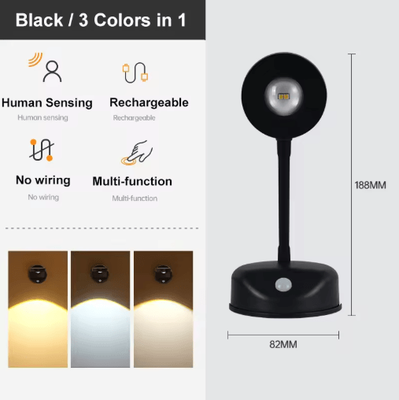
Inspire Picks USB Rechargeable Motion Sensor Wall Light Wireless Dimmable LED Spotlight For Pictures & Art black 2000mahHighlight your favorite spaces effortlessly with this smart motion sensor wall light. Designed for modern homes and art lovers, it automatically lights up when needed, adding both convenience and elegance. Its sleek, wireless design makes...71,47 $*Shipping: 0,00 $Secure redirect to the provider
-
Inspire Select Rechargeable Motion Sensor LED Spotlight Wireless Dimmable Wall Light For Art, Pictures & Indoor Lighting black 1200mahIlluminate your space effortlessly with this smart motion sensor LED spotlight designed for modern convenience and style. Perfect for art lovers and homeowners, this wireless wall light highlights paintings and dcor while saving energy. With...58,99 $*Shipping: 0,00 $Secure redirect to the provider
-
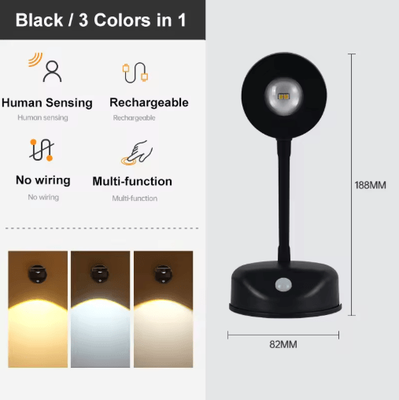
Inspire Picks Wireless Motion Sensor LED Wall Light USB Rechargeable Dimmable Spotlight For Paintings & Pictures blackUpgrade your home with this motion sensor wall light that combines smart technology with elegant, cordless design. Featuring intelligent human sensing, this wireless LED spotlight automatically turns on when motion is detected, providing convenient...62,51 $*Shipping: 0,00 $Secure redirect to the provider
-
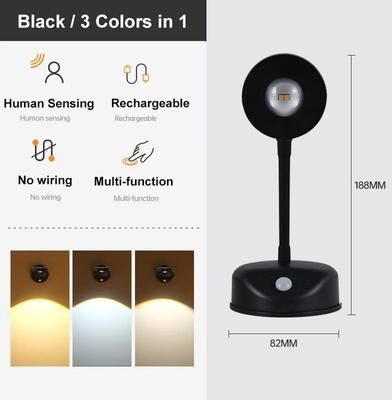
Inspire Picks USB Rechargeable Motion Sensor Wall Light Wireless Dimmable LED Spotlight For Pictures & Art black 1200mahHighlight your favorite spaces effortlessly with this smart motion sensor wall light. Designed for modern homes and art lovers, it automatically lights up when needed, adding both convenience and elegance. Its sleek, wireless design makes...56,49 $*Shipping: 0,00 $Secure redirect to the provider

-
Can you explain shifting cultivation?
Shifting cultivation, also known as slash-and-burn agriculture, is a traditional farming method in which farmers clear a plot of land by cutting and burning the vegetation. The ashes from the burned vegetation provide nutrients to the soil, allowing farmers to grow crops for a few years before moving on to a new plot of land. This method is sustainable when practiced in a way that allows the land to regenerate, but it can lead to deforestation and soil degradation if not managed properly. Shifting cultivation is often practiced by indigenous communities in tropical regions around the world. **
-
What are rice cultivation areas?
Rice cultivation areas are regions where rice is grown as a primary crop. These areas typically have specific climatic and soil conditions that are suitable for rice cultivation. Rice cultivation areas can vary in size from small family farms to large commercial operations, and they play a crucial role in providing food security for many countries around the world. Additionally, these areas often have a long history of rice cultivation and may have developed unique farming practices and traditions related to growing rice. **
-
What is a shifting cultivation?
Shifting cultivation, also known as slash-and-burn agriculture, is a traditional farming method in which a plot of land is cleared and cultivated for a few years, then abandoned and allowed to revert to its natural state while the farmer moves on to a new plot. The cleared land is typically burned to clear away the vegetation and provide nutrients for the soil. This method is often practiced by indigenous communities in tropical regions and is sustainable when done in moderation, allowing the land to regenerate during the fallow period. However, overuse of shifting cultivation can lead to deforestation and soil degradation. **
-
Don't mushrooms grow in mushroom cultivation?
Yes, mushrooms do grow in mushroom cultivation. Mushroom cultivation involves creating the ideal conditions for mushrooms to grow, such as providing the right temperature, humidity, and substrate for the mushrooms to thrive. Through this process, mushrooms can be cultivated and harvested for consumption or commercial purposes. **
How does outdoor hemp cultivation work?
Outdoor hemp cultivation involves planting hemp seeds directly in the soil in an outdoor environment. The plants require ample sunlight, water, and nutrients to grow successfully. Farmers must monitor the plants for pests and diseases, and may need to implement organic pest control methods. Harvesting typically occurs in the fall when the plants have reached maturity, and the hemp is then dried and processed for various uses such as CBD extraction, fiber production, or seed harvesting. **
How high are the cultivation costs?
The cultivation costs can vary depending on various factors such as the size of the operation, location, cultivation method, and the specific crop being grown. Generally, cultivation costs can be significant due to expenses related to land, equipment, labor, seeds, fertilizers, pesticides, water, and energy. It is essential for farmers to carefully manage these costs to ensure profitability and sustainability in their operations. Additionally, implementing efficient practices and utilizing technology can help reduce cultivation costs in the long run. **
Top-Angebote
Products related to Cultivation:
-
soundcore Nebula 100-Inch Outdoor Projector Screen Durable Setup for Backyard Cinema"100"" Big Screen for the Whole Family: Enjoy a truly cinematic experience at home or outdoors with a 100-inch screen—perfect for movie and game nights, and backyard gatherings. Quick, Easy Setup and Disassembly: Assemble and disassemble in less than..."169,00 $*Shipping: 0,00 $Secure redirect to the provider
-
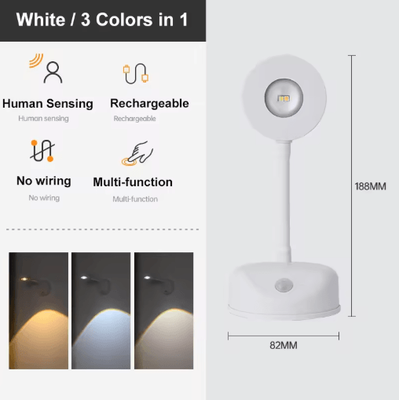
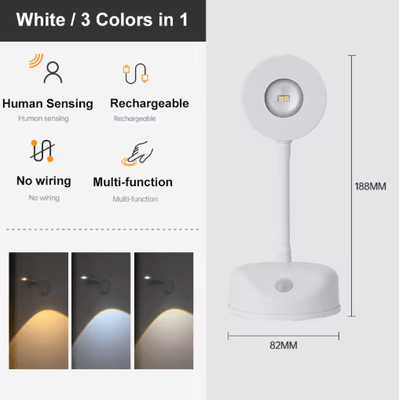
Inspire Picks Wireless Motion Sensor LED Wall Light USB Rechargeable Dimmable Spotlight For Paintings & Pictures whiteUpgrade your home with this motion sensor wall light that combines smart technology with elegant, cordless design. Featuring intelligent human sensing, this wireless LED spotlight automatically turns on when motion is detected, providing convenient...63,56 $*Shipping: 0,00 $Secure redirect to the provider
-
Inspire Picks USB Rechargeable Motion Sensor Wall Light Wireless Dimmable LED Spotlight For Pictures & Art black 2000mahHighlight your favorite spaces effortlessly with this smart motion sensor wall light. Designed for modern homes and art lovers, it automatically lights up when needed, adding both convenience and elegance. Its sleek, wireless design makes...71,47 $*Shipping: 0,00 $Secure redirect to the provider
-
Inspire Select Rechargeable Motion Sensor LED Spotlight Wireless Dimmable Wall Light For Art, Pictures & Indoor Lighting black 1200mahIlluminate your space effortlessly with this smart motion sensor LED spotlight designed for modern convenience and style. Perfect for art lovers and homeowners, this wireless wall light highlights paintings and dcor while saving energy. With...58,99 $*Shipping: 0,00 $Secure redirect to the provider
-
What is the difference between permanent field cultivation and shifting cultivation?
Permanent field cultivation involves the continuous cultivation of the same piece of land over a long period of time, using methods such as irrigation and fertilization to maintain soil fertility. This type of cultivation is typically practiced in areas with stable and predictable environmental conditions. On the other hand, shifting cultivation involves the clearing of small plots of land for cultivation, which are then abandoned after a few years to allow the land to regenerate. This method is often used in areas with poor soil quality or where environmental conditions are less predictable. Shifting cultivation is also known as slash-and-burn agriculture, as the cleared land is often burned to prepare it for planting. **
-
What is greenhouse cultivation?
Greenhouse cultivation is a method of growing plants in a controlled environment within a structure made of transparent material, such as glass or plastic. This structure allows sunlight to enter and trap heat, creating a warm and stable climate for the plants. Greenhouse cultivation provides protection from extreme weather conditions, pests, and diseases, and allows for year-round production of crops. It also enables growers to control factors such as temperature, humidity, and light to optimize plant growth and yield. **
-
Can you explain shifting cultivation?
Shifting cultivation, also known as slash-and-burn agriculture, is a traditional farming method in which farmers clear a plot of land by cutting and burning the vegetation. The ashes from the burned vegetation provide nutrients to the soil, allowing farmers to grow crops for a few years before moving on to a new plot of land. This method is sustainable when practiced in a way that allows the land to regenerate, but it can lead to deforestation and soil degradation if not managed properly. Shifting cultivation is often practiced by indigenous communities in tropical regions around the world. **
-
What are rice cultivation areas?
Rice cultivation areas are regions where rice is grown as a primary crop. These areas typically have specific climatic and soil conditions that are suitable for rice cultivation. Rice cultivation areas can vary in size from small family farms to large commercial operations, and they play a crucial role in providing food security for many countries around the world. Additionally, these areas often have a long history of rice cultivation and may have developed unique farming practices and traditions related to growing rice. **
Similar search terms for Cultivation
-
Inspire Picks Wireless Motion Sensor LED Wall Light USB Rechargeable Dimmable Spotlight For Paintings & Pictures blackUpgrade your home with this motion sensor wall light that combines smart technology with elegant, cordless design. Featuring intelligent human sensing, this wireless LED spotlight automatically turns on when motion is detected, providing convenient...62,51 $*Shipping: 0,00 $Secure redirect to the provider
-
Inspire Picks USB Rechargeable Motion Sensor Wall Light Wireless Dimmable LED Spotlight For Pictures & Art black 1200mahHighlight your favorite spaces effortlessly with this smart motion sensor wall light. Designed for modern homes and art lovers, it automatically lights up when needed, adding both convenience and elegance. Its sleek, wireless design makes...56,49 $*Shipping: 0,00 $Secure redirect to the provider
-
Inspire Picks USB Rechargeable Motion Sensor Wall Light Wireless Dimmable LED Spotlight For Pictures & Art white 2000mahHighlight your favorite spaces effortlessly with this smart motion sensor wall light. Designed for modern homes and art lovers, it automatically lights up when needed, adding both convenience and elegance. Its sleek, wireless design makes...66,92 $*Shipping: 0,00 $Secure redirect to the provider
-
Inspire Picks USB Rechargeable Motion Sensor Wall Light Wireless Dimmable LED Spotlight For Pictures & Art white 1200mahHighlight your favorite spaces effortlessly with this smart motion sensor wall light. Designed for modern homes and art lovers, it automatically lights up when needed, adding both convenience and elegance. Its sleek, wireless design makes...55,65 $*Shipping: 0,00 $Secure redirect to the provider
-
What is a shifting cultivation?
Shifting cultivation, also known as slash-and-burn agriculture, is a traditional farming method in which a plot of land is cleared and cultivated for a few years, then abandoned and allowed to revert to its natural state while the farmer moves on to a new plot. The cleared land is typically burned to clear away the vegetation and provide nutrients for the soil. This method is often practiced by indigenous communities in tropical regions and is sustainable when done in moderation, allowing the land to regenerate during the fallow period. However, overuse of shifting cultivation can lead to deforestation and soil degradation. **
-
Don't mushrooms grow in mushroom cultivation?
Yes, mushrooms do grow in mushroom cultivation. Mushroom cultivation involves creating the ideal conditions for mushrooms to grow, such as providing the right temperature, humidity, and substrate for the mushrooms to thrive. Through this process, mushrooms can be cultivated and harvested for consumption or commercial purposes. **
-
How does outdoor hemp cultivation work?
Outdoor hemp cultivation involves planting hemp seeds directly in the soil in an outdoor environment. The plants require ample sunlight, water, and nutrients to grow successfully. Farmers must monitor the plants for pests and diseases, and may need to implement organic pest control methods. Harvesting typically occurs in the fall when the plants have reached maturity, and the hemp is then dried and processed for various uses such as CBD extraction, fiber production, or seed harvesting. **
-
How high are the cultivation costs?
The cultivation costs can vary depending on various factors such as the size of the operation, location, cultivation method, and the specific crop being grown. Generally, cultivation costs can be significant due to expenses related to land, equipment, labor, seeds, fertilizers, pesticides, water, and energy. It is essential for farmers to carefully manage these costs to ensure profitability and sustainability in their operations. Additionally, implementing efficient practices and utilizing technology can help reduce cultivation costs in the long run. **
* All prices are inclusive of VAT and, if applicable, plus shipping costs. The offer information is based on the details provided by the respective shop and is updated through automated processes. Real-time updates do not occur, so deviations can occur in individual cases. ** Note: Parts of this content were created by AI.